

















Created By Jianmeng
We harness the power of cutting-edge technology to drive innovation forward
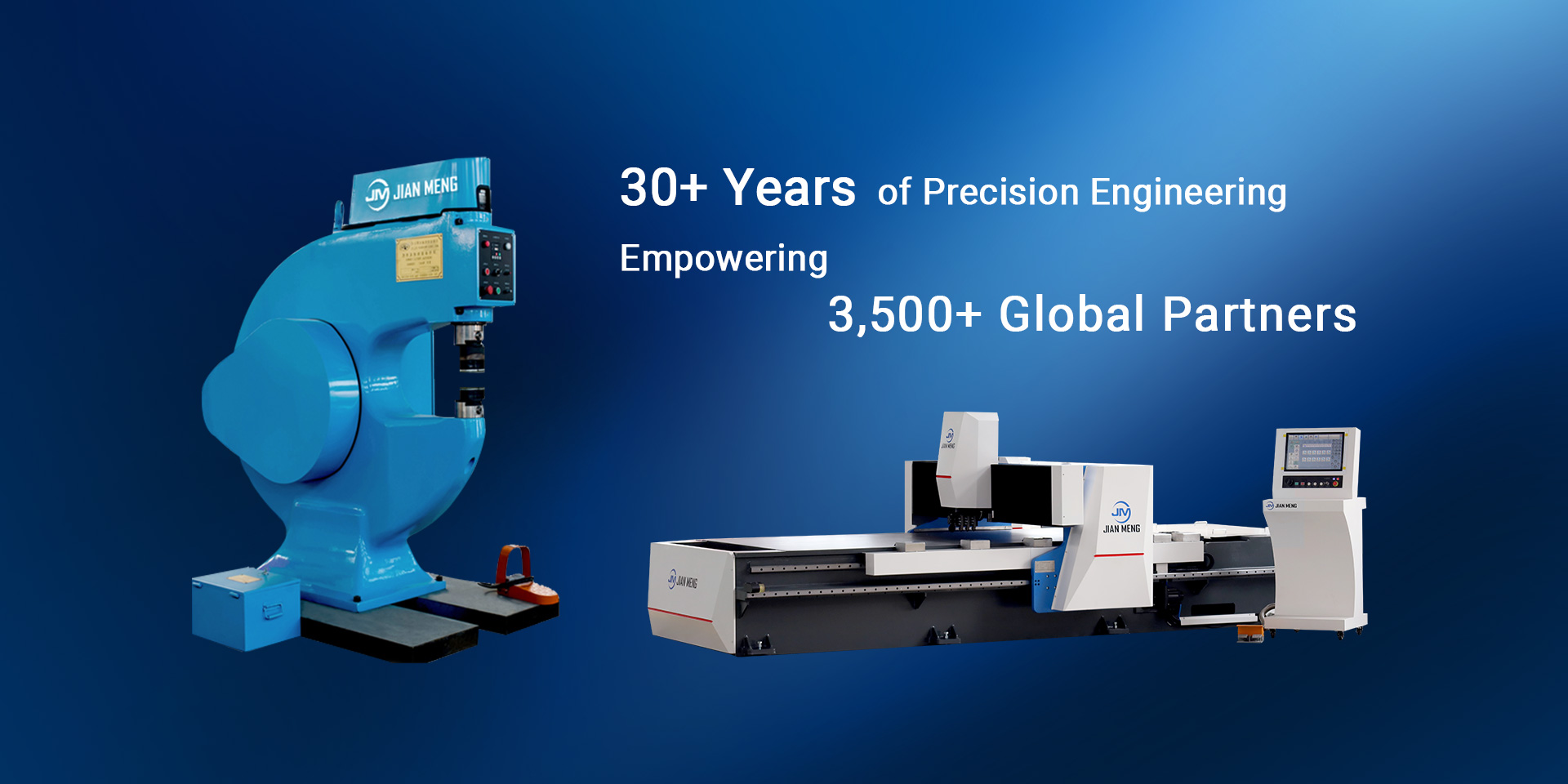


Created By Jianmeng
We harness the power of cutting-edge technology to drive innovation forward
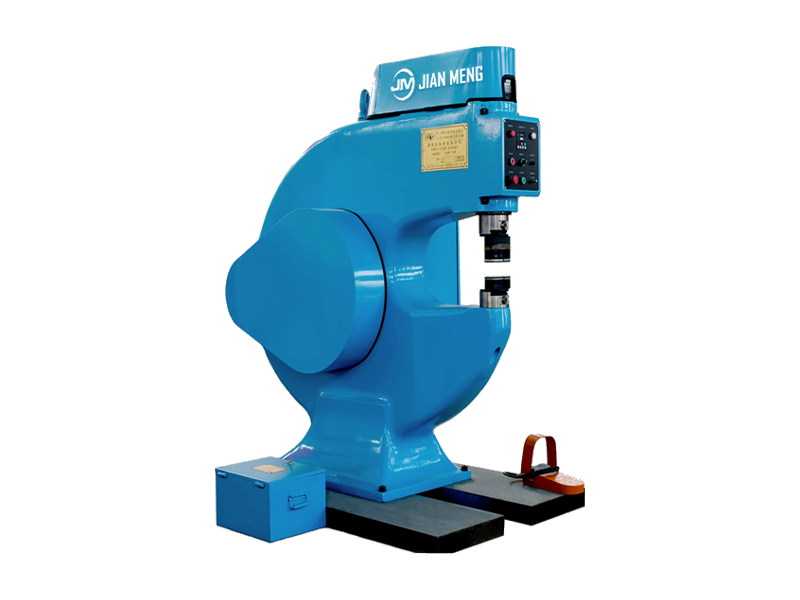
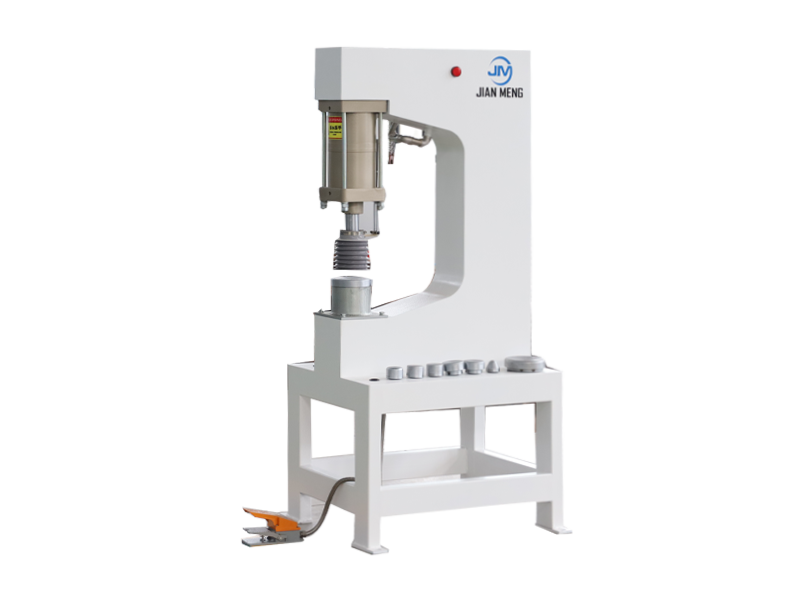
The PF665/26 Power Forming Machine
The forming machine is designed for precise cold forming,stretching, shrinking, and curved surface shaping of sheet metal andprofiles.
To tackle the challenges in sheet metal manufacturing for the aerospace industry, the Jianmeng team took the initiative to develop and produce China’s very first forming machine.
The forming machine is widely used in aerospace, automotive partsproduction, shipbuilding, and other industries that require precisesheet metal forming.
V-grooving is a process that cuts grooves in flat sheet metal to provide reference lines for precise shearing and bending, ensuring accurate right-angle bends.
In 2008, JIANMENG introduced its first gantry-style CNC v grooving machine. In 2015, the company pioneered Automatic Four-side V Grooving Machine, leading the industry's development.
It is mainly used in high-end metal doors, stainless steel cabinets, aluminum curtain walls, elevators, and other sheet metal processing applications.
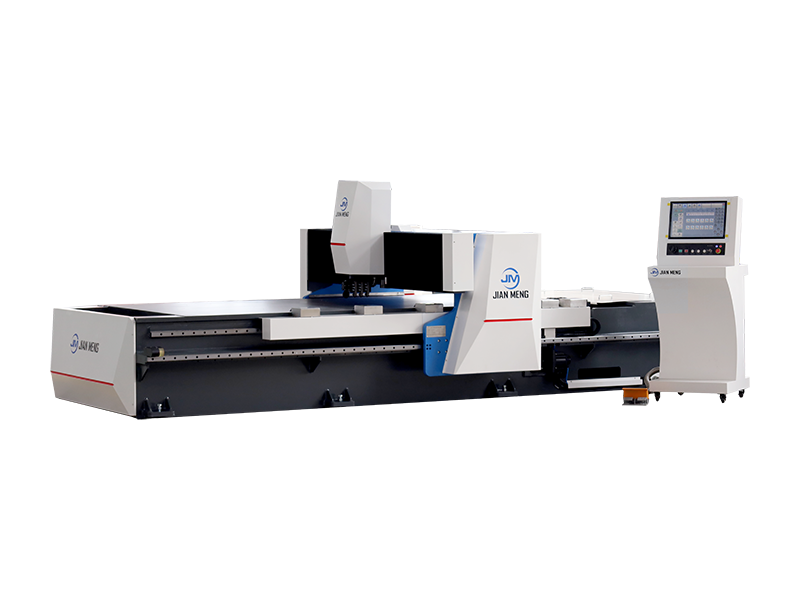
The latest GSFM Automatic Four-Side V-Grooving Machine

Jianmeng Intelligent Equipment (Taizhou) Co., Ltd.
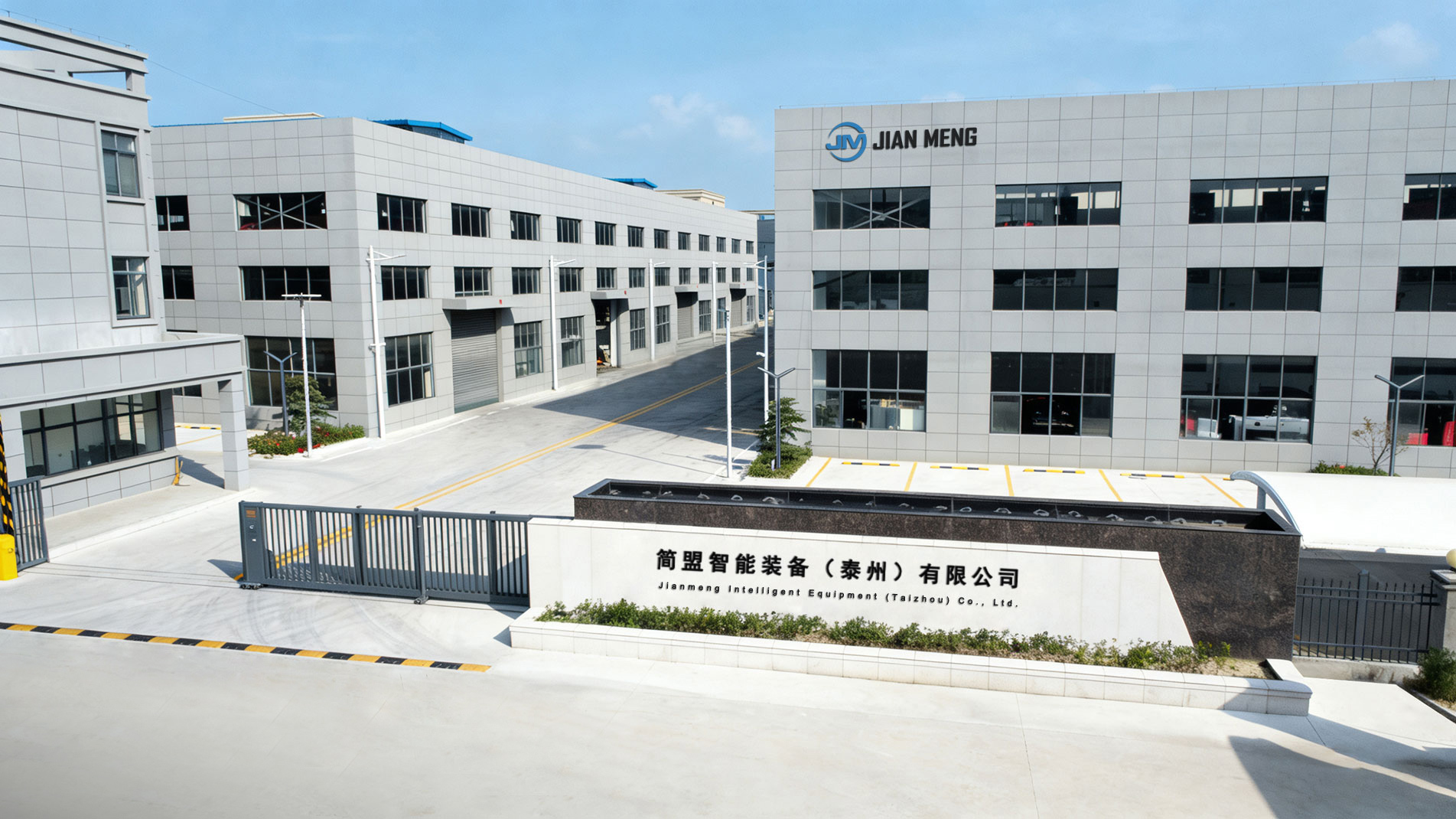

ABOUT
Expert Solutions in Sheet Metal Fabrication

Consistent R&D Investment (20% of annual revenue)
Over 10 Patents Filed Annually
JUST industry-academia partner
* JUST = Jiangsu University of Science and Technology)

ISO 9001 Certified
Regular Employee Training and Skills Assessments
Multi-Stage In-Process Inspections

Equipment Specifications & Functions
Control Systems & Language
Safety Protection

Installation & Commissioning
Operator Training & Technical Support
Fast and Reliable Spare Parts Availability
PRODUCTS
With years of expertise, we specialize in designing and producing advanced sheet metal processing equipment.
International market
From local roots to global reach — JIANMENG empowering international growth.

Europe
Middle East
Africa
Asia-Pacific
South Asia
Southeast Asia
North America
South America
VIDEO
Do you want to have a visual understanding of the excellent performance of Jianmeng equipment? Watch the live demonstration video below
NEWS
Follow us to stay up-to-date with industry trends
— The Journey from Technical Exchange to Order Fulfillment with JM’s Malaysian Client In May 2024, JIANMENG team visited an important potential client specializing in metal processing in Malaysia. This visit marked not only a product introduction but also the beginning of a deep and mutually trusting partnership. During the meeting, the team provided a systematic and detailed explanation of JIANMENG core equipment—the Full-automatic four-side v grooving machine—highlighting its technical features, process advantages, and application scenarios in the industry. This fully demonstrated Full-automatic four-side v grooving machine’s strengths in precision, efficiency, and stability. Warmly welcomed by the client, JIANMENG team was invited to the client’s home for a meal and treated to authentic Bak Kut Teh. In this relaxed and friendly atmosphere, the bond between both sides grew stronger. Following this, the client led the team on a tour of their...
Revisiting Our Cooperation Journey September 2024 — First Meeting The Korean partner held their first meeting with us, discussing four-side v grooving machine requirements and potential cooperation, establishing initial intentions. October 2024 — Order for Four-Side V Grooving Machine The partner officially placed an order for the four-side v grooving machine, marking the start of concrete cooperation. November 2024 — Factory Inspection, Sightseeing & On-site Visit In November 2024, the Korean partner led their technical team to our factory for on-site inspection and acceptance of the equipment. The inspection was successfully completed, fully verifying the machine’s performance and stability. After the acceptance, both teams visited Qinhu for a relaxing tour. The partner also visited our Shanghai customer’s site to gain a more direct understanding of the equipment’s practical applications. These visits further strengthene...
In early December, the JIANMENG team embarked on a one-week market visit to Indonesia. The trip included visits to key existing customers, meetings with potential new clients, and attendance at a major local industry exhibition. The purpose of this journey was to further strengthen customer relationships, gain deeper insights into market trends, and continue expanding JM’s presence in the Indonesian market. During the customer visits, the team went deep into production workshops to observe machine performance and real-world applications. In-depth discussions were held with customers regarding processing techniques, efficiency improvements, and future expansion plans. Based on each customer’s specific requirements, the team provided tailored recommendations and optimization suggestions, helping customers improve productivity and earning strong recognition from them. In addition to customer visits, the team also attended an important industry exhibition...
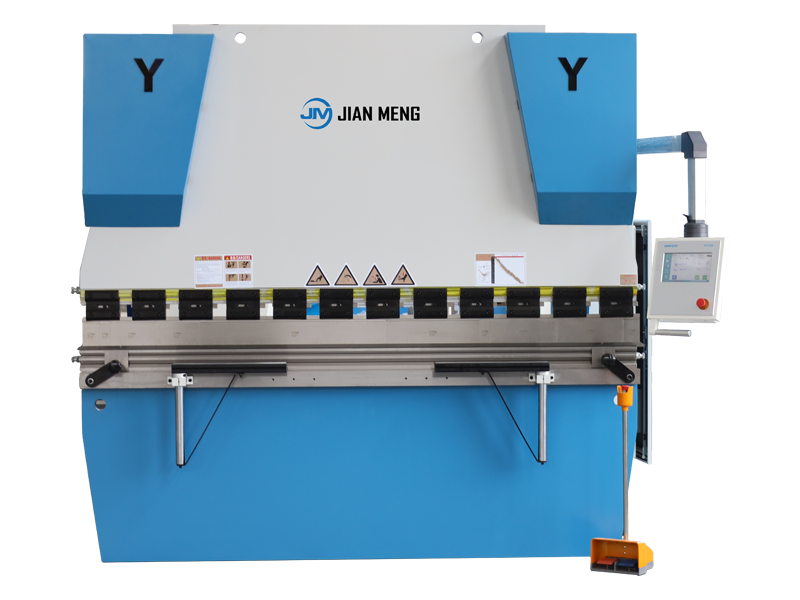
In precision sheet metal fabrication—where components must adhere to standards like ISO 7752-1 (bending machine performance) and ASTM A606 (sheet metal formability)—selecting the right bending equipment hinges on translating production requirements (material, geometry, volume) into technical specifications. This guide demystifies core bending machine types, their technical principles, and data-driven selection criteria, equipping both seasoned fabricators and industry newcomers to make informed, operation-aligned decisions. 1. Fundamentals: The Role of Bending in Modern Fabrication Sheet metal bending is a plastic deformation process that reshapes flat stock (0.1mm–25mm thick) into 2D/3D geometries (flanges, curves, channels) using controlled force. It is non-negotiable for producing critical components across industries: automotive EV battery enclosures, aerospace titanium brackets, construction steel studs, and HVAC ductwork. The right equipment...


Not sure which machine is right for your sheet metal product?
Let our knowledgeable sales team guide you in selecting the most suitable solution for your needs.
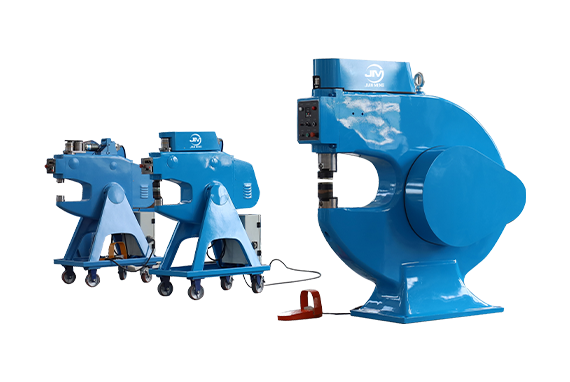 Forming machine
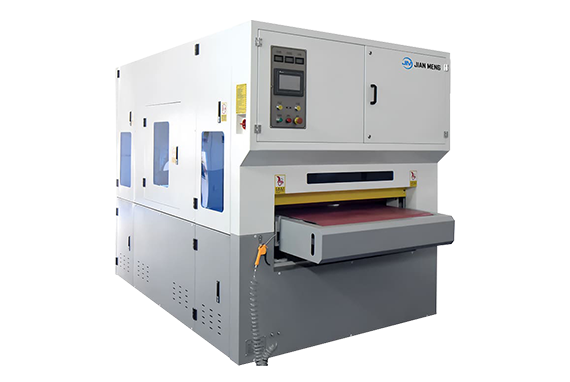 Deburring machine
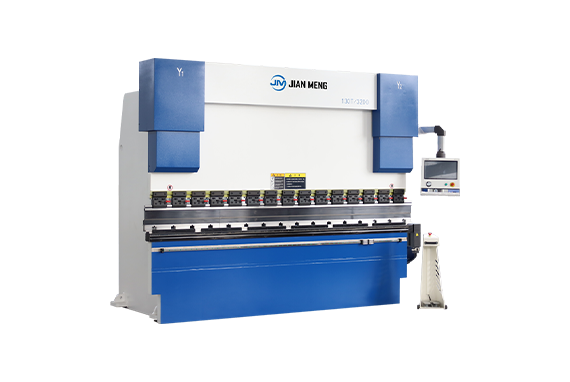 Press brake
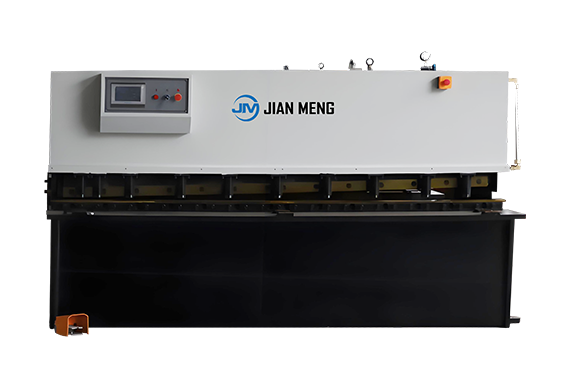 Shearing machine
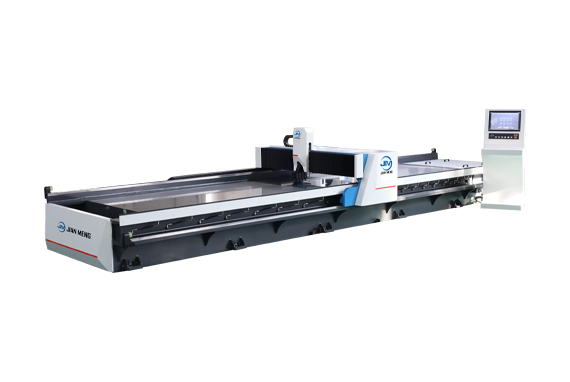 V grooving machine
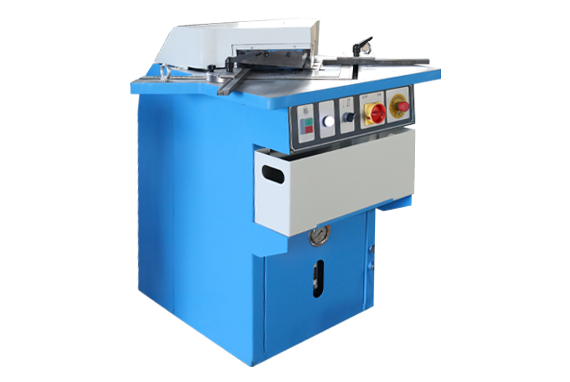 Notching machine