

Steel Deburring & brushing & polishing integrated machine
Product details
Product details
![]() |
![]() |
![]() |
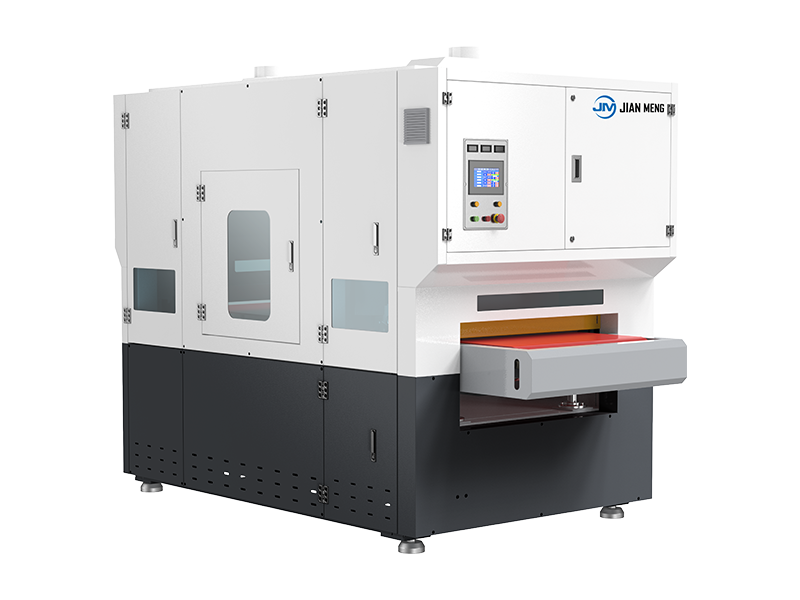
The Jianmeng XDP-800RPRT Deburring, wire drawing and polishing machine is primarily used for deburring, edge rounding, and wire drawing on the surfaces of various metal workpieces to improve surface quality and precision.
This equipment integrates multiple processing technologies, such as sanding belts, roller brushes, and polishing rollers, to achieve a complete precision processing workflow from deburring and edge rounding to delicate wire drawing. It enables multiple surface treatment processes to be completed in one stop, enhancing production efficiency and product quality stability.
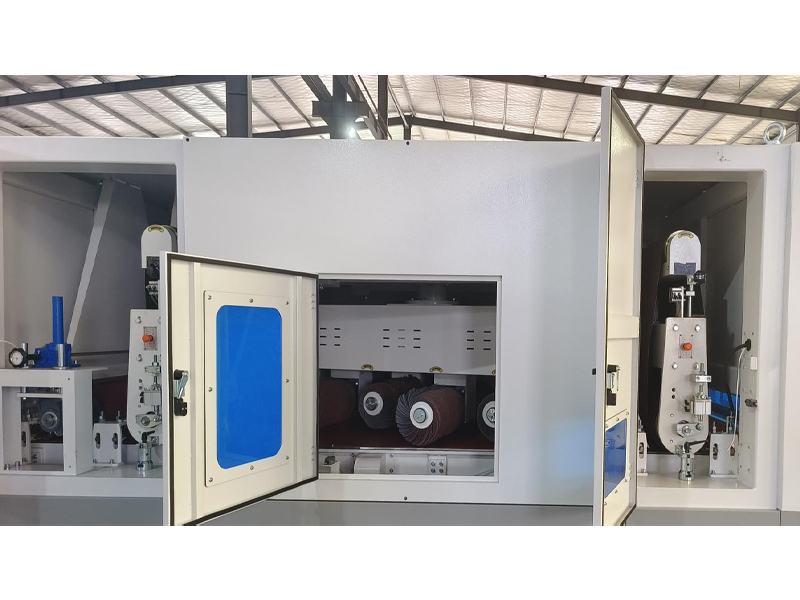
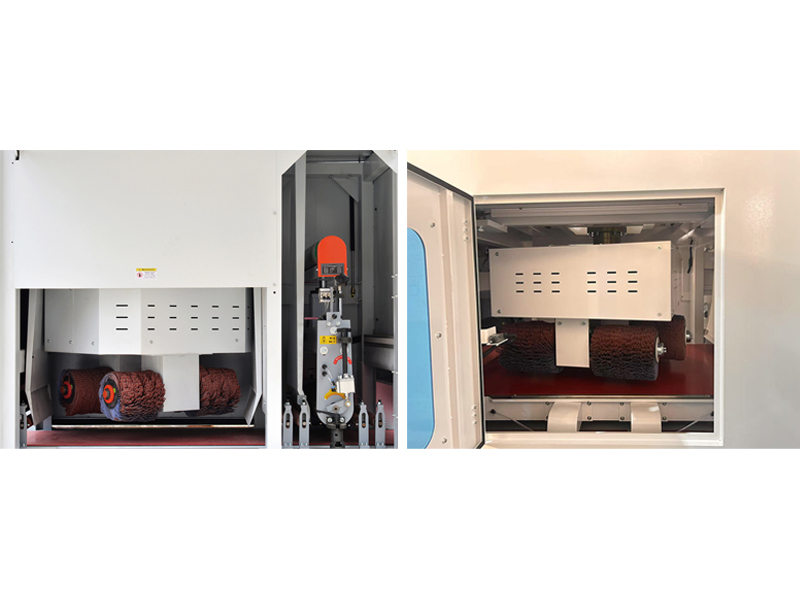
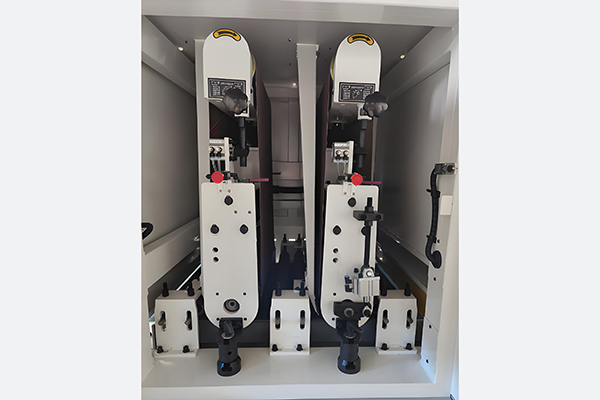
The XDP-800RPRT Integrated deburring, wire drawing and polishing machine is equipped with two wide sanding belt units. Driven by grinding rollers, the sanding belts rotate at high speed to remove slag particles, oxide scale, large burrs, and other imperfections from the workpiece surface, while simultaneously performing wire drawing treatment. It also features a polishing roller unit that rotates at high speed and frictionally contacts the workpiece surface, producing a uniform and fine wire drawing effect.
The machine is equipped with a 5.5KW wet dust collector.
Dust removal method: Dust generated during operation is effectively extracted through the dust collection port, eliminating the risk of dust explosion and maintaining internal cleanliness of the equipment.

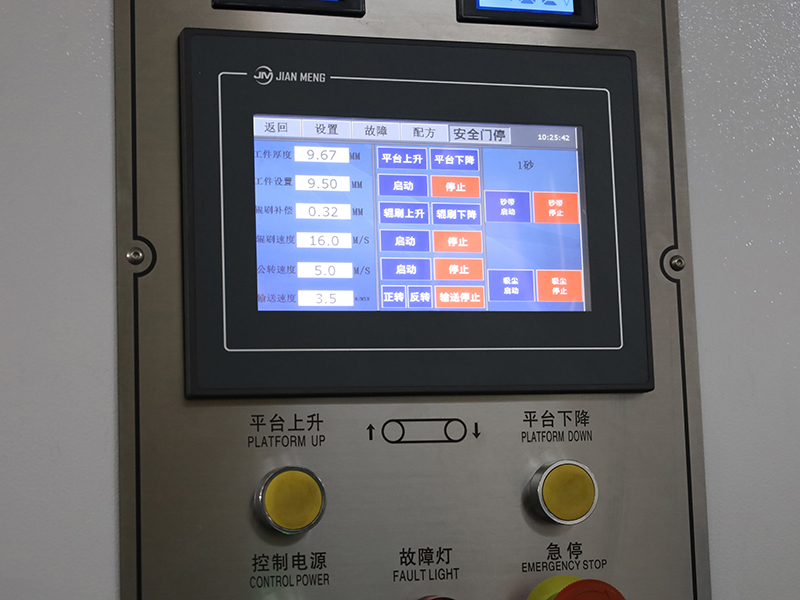
CNC system
The CNC system is a key component of the CNC metal deburring machine, responsible for centrally displaying and controlling all operational parameters during the deburring process, improving machining efficiency and accuracy.
It not only provides real-time feedback, but also allows operators to make precise parameter adjustments as needed to ensure workpiece quality.
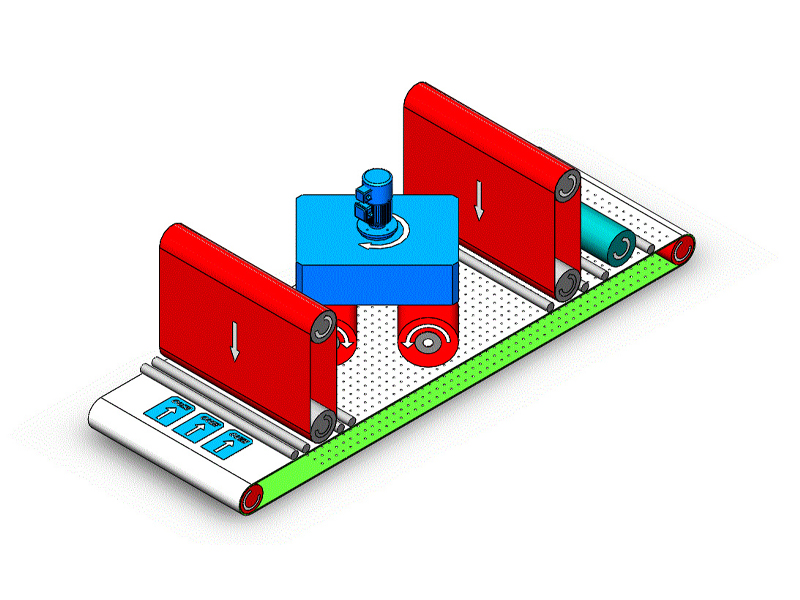
Workstations:R+P+R+T (Wide Belt + Roller Brushes + Wide Belt + Polishing roller)
The MRPRT series pairs a single wide sanding belt , a roller-brush workstation , one more single wide sanding belt and a polishing wheel station ; platform width dictates belt size and the number/diameter of roller brushes, while the magnetically attached conveyor belt securely holds parts in place—modular station options are available to match varying production needs.


Abrasive consumables
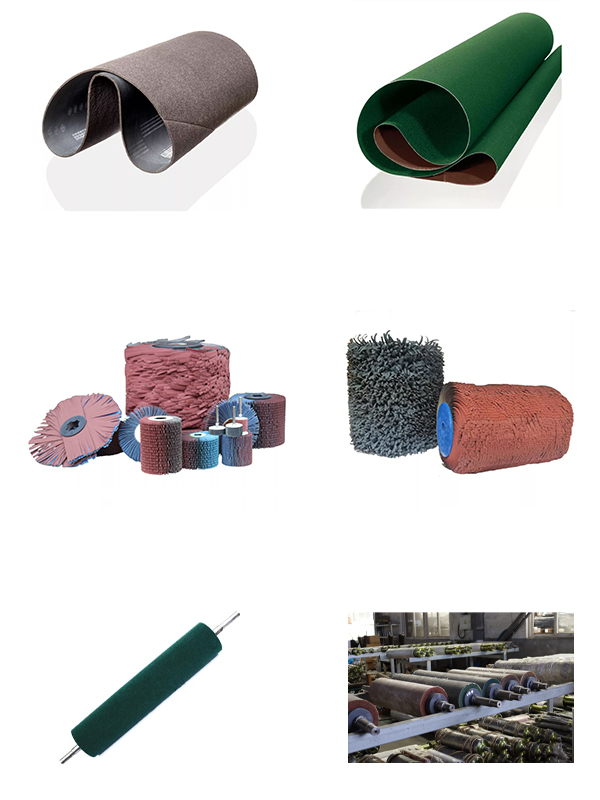
Abrasive belt
Abrasive belt is a grinding tool used for metal surface treatment. After special processing, it forms a belt like structure and is suitable for various processes such as grinding, deburring, polishing, finishing, and brushing.
The sand belt removes excess material through friction with the surface of the workpiece, thereby improving the surface quality and appearance of the workpiece.
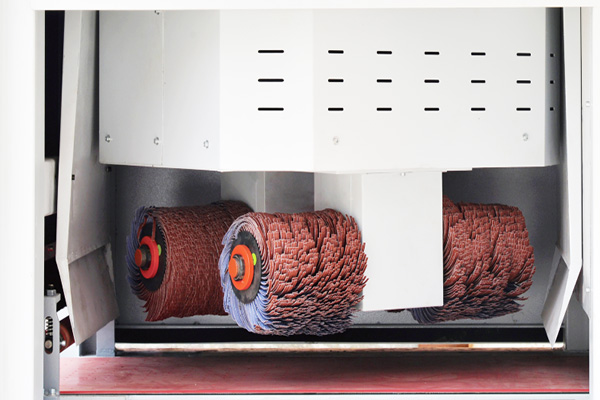
Roller brush
Roller brush is a metal processing and surface treatment tool used in processes such as deburring, edge rounding, surface drawing, cleaning, removing oxide layers and oil stains.
The working principle of the deburring & brushing machine involves the use of rotating brushes that contact the workpiece surface to achieve deburring, edge rounding, and surface finishing effects.
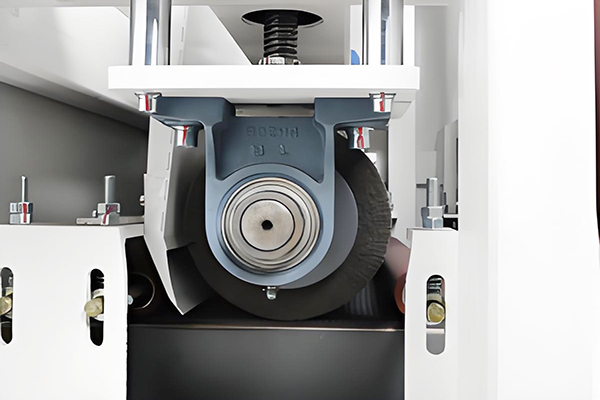
Polishing roller
Polishing rollers work by applying rotational motion with controlled pressure, using specialized abrasive materials to remove fine surface imperfections and enhance the overall appearance of the workpiece. These rollers ensure even polishing over large surface areas, offering high precision and consistent results, essential for industries requiring high-quality finishes, such as automotive and appliance manufacturing.
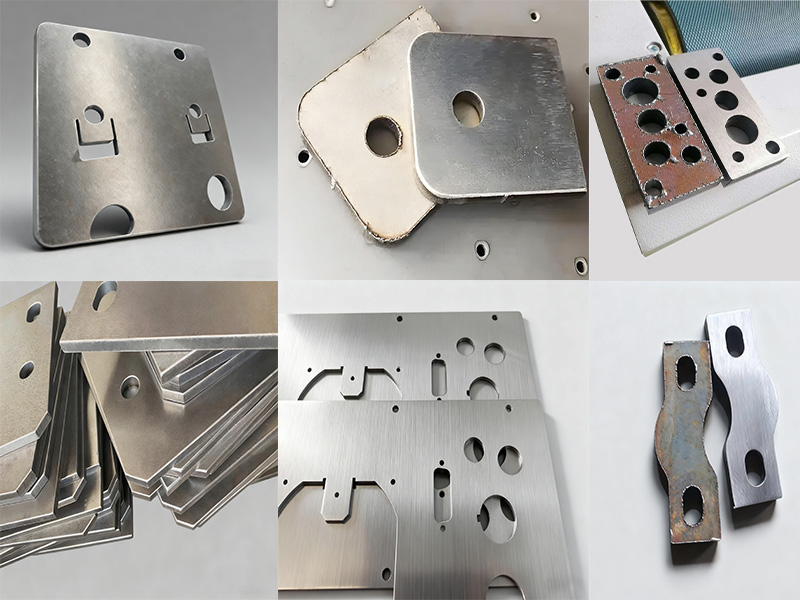
Comparison of deburring workpieces before and after removal
Before deburring:
The rough edges and sharp burrs of the workpiece affect the assembly accuracy.
There may be an oxide layer and slight unevenness on the surface, which can affect subsequent processing or coating adhesion.
After deburring:
Smooth edges without burrs enhance product safety.
After being polished or brushed, the metal surface becomes more exquisite and beautiful.
After deburring, improve dimensional accuracy to ensure better assembly quality.
Removing the oxide layer is beneficial for subsequent processes such as welding, painting, and electroplating, improving coating adhesion and durability.

Technical specifications
| Equipment processing width selection | 450/800/1000/1300/1600mm |
| Workbench wide surface | 800mm |
| Processing thickness | 1-90mm |
| Minimum processing size | 50*50*0.5mm (Non perforated plate) |
| Feeding speed | 1-7m/min (adjustable frequency conversion) |
| Belt speed | 2.2-11m/min |
| Roller brush speed | 6-19m/min |
| Revolution speed | 4-12m/min |
| Maximum power | Constant speed |
| Rated voltage | 43.85kW (excluding dust collector) |
| Atmospheric pressure | 380V/3P/50HZ |
| Sand belt size | 0.6-0.8Mpa |
| Roller brush size | 1900*820mm |
| Host weight | About 3500kg |
| Size | 3700*1650*2200 |
Optional structure
More optional tools

R station — Deburring with wide belt

P station — Edge rounding with rotary brushes

T station — Polishing with polishing wheel

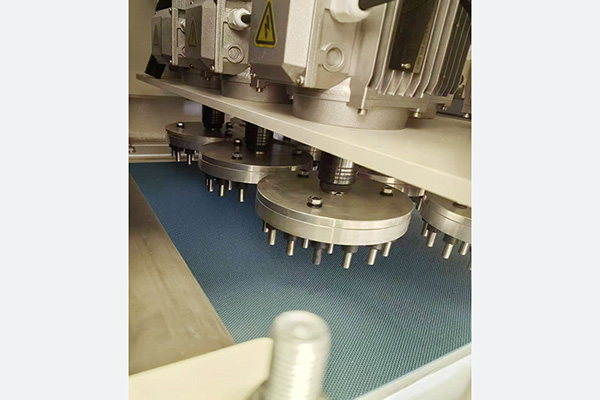
H station — Remove heavy slag with disc hammers
Video demonstration
More Info? Get In Touch