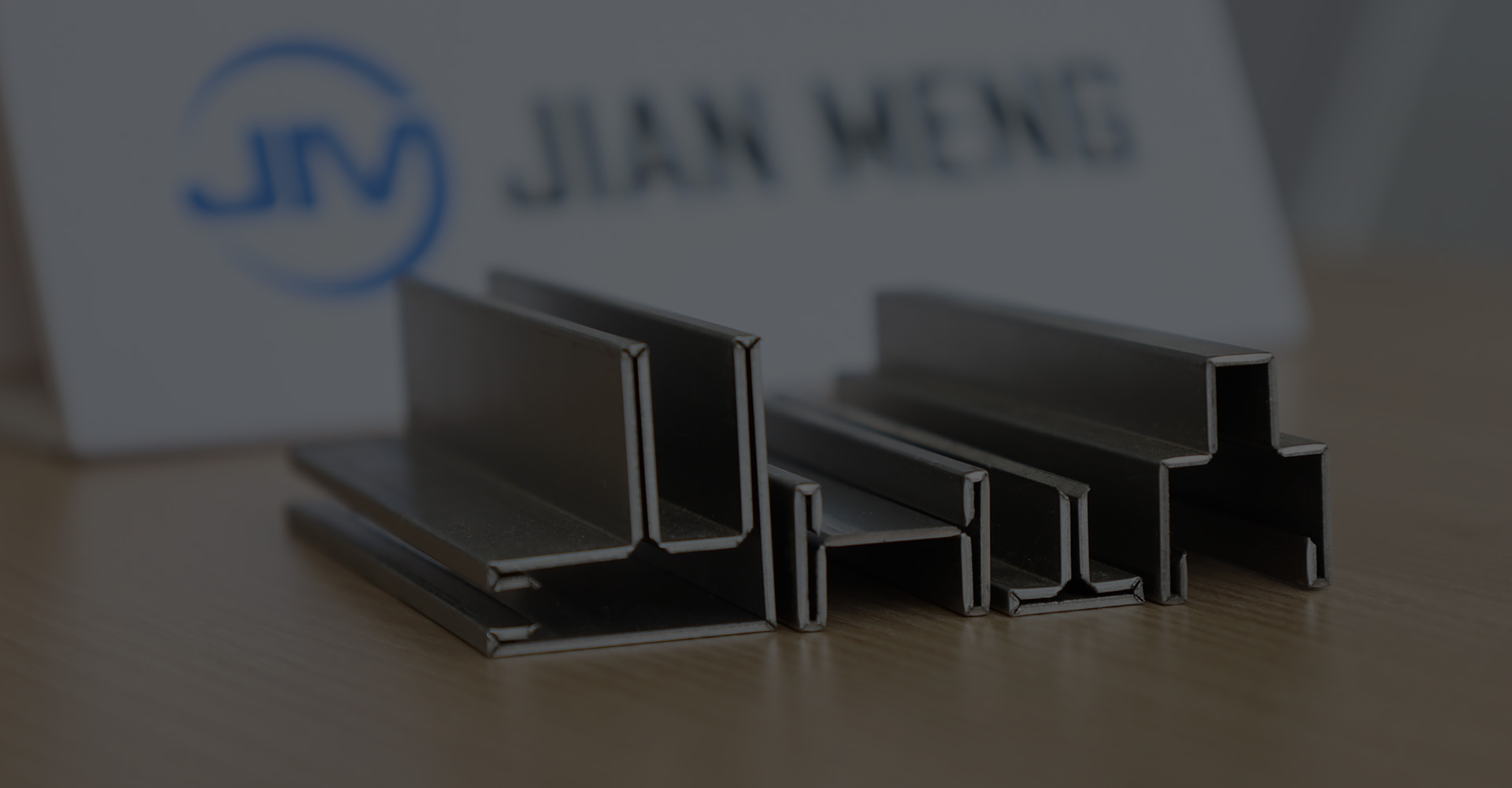
Sheet metal V cut is a precision mechanical processing technique widely used in sheet metal fabrication, which involves cutting a V-shaped groove on the surface or edge of sheet metal workpieces. This process is primarily designed to facilitate subsequent bending operations, ensuring that the workpiece can be folded into accurate angles (such as 90°, 135°, or custom angles) without cracking, deformation, or uneven edges. Unlike traditional flat cutting or grinding, sheet metal V cut focuses on creating a controlled groove with specific angle, depth, and surface quality, laying the foundation for high-precision assembly and aesthetic finishing of sheet metal products. This article systematically elaborates on the core principles, processing processes, equipment types, key parameters, application scenarios, and process optimization strategies of sheet metal V cut, integrating practical operational experience and technical specifications to provide comprehensive guidance for engineers, production technicians, and quality control personnel in the sheet metal industry.
I. Core Definition and Working Principle of Sheet Metal V Cut
Sheet metal V cut refers to the process of using specialized cutting tools or laser technology to remove material from a sheet metal workpiece, forming a V-shaped groove with a predetermined angle and depth. The core purpose of this process is to reduce the thickness of the material at the bending line, allowing the workpiece to bend along the groove with minimal internal stress, thereby ensuring the accuracy of the bending angle and the integrity of the workpiece surface. The V-shaped groove acts as a ""stress relief channel"" during bending, preventing the sheet metal from tearing or producing irregular deformations, especially for thicker sheet metal (typically 1mm–10mm) or materials with high hardness (such as stainless steel, carbon steel).
The working principle of sheet metal V cut varies slightly according to the processing method (mechanical cutting or laser cutting), but the core logic remains consistent: by removing a triangular cross-section of material along the preset bending line, the remaining material at the groove bottom forms a thin ""hinge"" structure. During bending, this hinge structure deforms elastically and plastically, guiding the workpiece to fold along the groove direction. The angle and depth of the V cut directly determine the final bending angle—for example, a 90° bending angle usually requires a 45° V cut, and the depth of the groove is typically 60%–80% of the sheet metal thickness (adjusted according to material properties and bending requirements).
1.1 Mechanical V Cut Principle
Mechanical sheet metal V cut relies on high-speed rotating V-shaped tools (such as V-grooving bits, carbide inserts) to remove material. The tool is mounted on a spindle, and the sheet metal workpiece is fixed on a precision worktable. The CNC system controls the tool to move linearly along the preset path, while adjusting the spindle speed and feed rate to ensure the groove angle and depth are consistent. During processing, cutting fluid is used to cool the tool and workpiece, reduce friction, and flush away cutting chips, preventing tool wear and ensuring the groove surface is smooth and free of burrs.
1.2 Laser V Cut Principle
Laser sheet metal V cut uses a high-energy laser beam (usually fiber laser for metal materials) to ablate or melt the material, forming a V-shaped groove. The laser head is adjusted to a specific angle (matching the desired V cut angle) and moves along the processing path, with the laser power and cutting speed precisely controlled to achieve the required groove depth. Unlike mechanical cutting, laser V cut has no physical contact with the workpiece, avoiding tool wear and workpiece deformation caused by mechanical pressure. It is particularly suitable for high-precision, thin-sheet metal or complex groove path processing.
II. Key Parameters of Sheet Metal V Cut
The quality of sheet metal V cut is determined by several core parameters, which must be strictly controlled according to the workpiece material, thickness, and subsequent bending requirements. Improper parameter setting will lead to defects such as groove angle deviation, uneven depth, burrs, or material tearing, affecting the final product quality.
2.1 Groove Angle
The groove angle is the angle between the two side walls of the V-shaped groove, which is directly related to the final bending angle of the workpiece. Common groove angles include 30°, 45°, 60°, and 90°, with 45° being the most widely used (for 90° bending). The groove angle should be set according to the bending angle formula: Groove Angle = 180° – Target Bending Angle. For example, a 135° bending angle requires a 45° groove angle, and a 90° bending angle requires a 90° groove angle (adjusted according to material ductility). For materials with poor ductility (such as high-carbon steel), the groove angle can be slightly larger to avoid cracking during bending.
2.2 Groove Depth
Groove depth refers to the distance from the sheet metal surface to the bottom of the V-shaped groove, which directly affects the bending difficulty and angle accuracy. The optimal depth is usually 60%–80% of the sheet metal thickness. If the depth is too shallow, the bending resistance will increase, leading to uneven bending or workpiece deformation; if the depth is too deep, the remaining material at the groove bottom will be too thin, easily tearing during bending. For example, for a 5mm thick stainless steel sheet, the recommended groove depth is 3mm–4mm.
2.3 Processing Speed and Spindle Speed (Mechanical Cutting)
For mechanical V cut, the spindle speed (usually 1000–6000 rpm) and feed rate (5–50 mm/min) are key parameters. The spindle speed is determined by the tool material and workpiece material: for hard materials (such as stainless steel), a higher spindle speed (4000–6000 rpm) is used to reduce tool wear; for soft materials (such as aluminum), a lower spindle speed (1000–3000 rpm) is sufficient. The feed rate is adjusted according to the groove depth: for deep grooves, a lower feed rate is used to ensure cutting stability and avoid tool breakage.
2.4 Laser Power and Spot Size (Laser Cutting)
For laser V cut, laser power (50–500W) and spot size directly affect the groove quality. Higher laser power is required for thicker materials or deeper grooves, while lower power is suitable for thin sheets to avoid over-melting. The spot size is adjusted according to the groove width: a small spot size (0.1–0.3mm) is used for fine grooves, and a larger spot size (0.3–0.5mm) is used for wider grooves. Additionally, auxiliary gas (such as nitrogen) is used to blow away molten material and prevent oxidation of the groove surface.
III. Equipment for Sheet Metal V Cut
Sheet metal V cut equipment is mainly divided into two categories: mechanical V grooving machines and laser V cutting machines, each with unique characteristics, applicable scenarios, and advantages. The selection of equipment depends on the workpiece material, thickness, processing precision, and production batch.
3.1 Mechanical V Grooving Machines
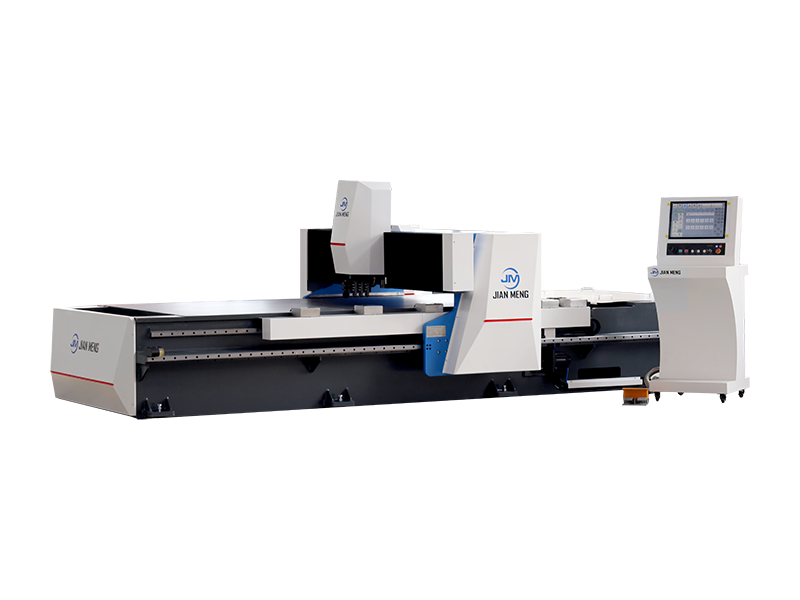
Mechanical V grooving machines are the most commonly used equipment for sheet metal V cut, which can be further divided into semi-automatic and CNC models.
3.1.1 Semi-Automatic Mechanical V Grooving Machine
This type of machine requires manual loading and unloading of workpieces, and the processing path and parameters are set manually or semi-automatically. It is equipped with a single or double spindle, and the V-shaped tool can be replaced according to the required groove angle. The machine has a simple structure, low cost, and easy operation, suitable for small-batch, medium-precision processing scenarios (such as small workshops, prototype production).
Key Advantages: Low initial investment, easy maintenance, suitable for a variety of sheet metal materials. Limitations: Low processing efficiency, high labor intensity, limited precision (groove angle tolerance ±0.1°).
3.1.2 CNC Mechanical V Grooving Machine
CNC mechanical V grooving machines are equipped with high-precision CNC systems (such as FANUC, Siemens) and automatic clamping systems, realizing fully automatic processing. The machine can pre-program the processing path, groove angle, and depth, and support multi-pass processing for deep grooves. It is equipped with high-precision linear guides and servo motors, ensuring processing accuracy (groove angle tolerance ±0.05°, depth tolerance ±0.02mm). Advanced models can integrate automatic loading and unloading systems, suitable for large-batch, high-precision processing.
Key Advantages: High processing precision, high efficiency, good repeatability, easy integration into automated production lines. Limitations: High cost, requiring professional operators.
3.2 Laser V Cutting Machines
Laser V cutting machines use fiber laser or CO2 laser technology to realize non-contact V cut, which is mainly divided into standalone laser V cutting machines and integrated vertical laser combo machines (integrating V cut and laser cutting/engraving functions).
3.2.1 Standalone Laser V Cutting Machine
This type of machine is specifically designed for laser V cut, with a adjustable laser head angle (0°–90°) to meet different groove angle requirements. It has high processing precision (groove angle tolerance ±0.03°, depth tolerance ±0.01mm) and no tool wear, suitable for high-precision, thin-sheet metal processing (such as electronic enclosures, precision decorative parts).
3.2.2 Vertical Laser Combo Machine with V Cut Function
This is an integrated equipment that combines mechanical V cut and laser processing (cutting, marking) functions. The machine integrates a vertical mechanical V grooving unit and a laser processing unit, allowing the workpiece to complete V cut and other processing tasks (such as laser marking, cutting) in a single clamping. It is widely used in complex processing scenarios that require both V cut and laser processing, such as automotive decorative parts, aerospace components.
IV. Processing Process of Sheet Metal V Cut
The sheet metal V cut process is a systematic workflow that includes workpiece preparation, parameter setting, processing, quality inspection, and post-processing. Strict adherence to the process steps ensures stable processing quality and high production efficiency.
4.1 Workpiece Preparation
First, the sheet metal workpiece is cleaned to remove surface oil, dust, and rust, which can avoid affecting the processing quality and tool life. Then, the workpiece is cut to the required size using a shearing machine or laser cutting machine. For high-precision workpieces, the edges are deburred to ensure the clamping accuracy. Finally, the workpiece is clamped on the machine worktable, and the clamping force is adjusted according to the material thickness and hardness to avoid movement or deformation during processing.
4.2 Parameter Setting
According to the workpiece material (such as stainless steel, carbon steel, aluminum), thickness, and target bending requirements, the key parameters are set: groove angle, depth, processing speed, spindle speed (mechanical cutting), or laser power (laser cutting). For new materials or processing scenarios, a test piece is processed first to verify the parameter rationality, and adjustments are made until the required quality is achieved.
4.3 Processing Operation
For mechanical V cut: Start the machine, and the CNC system controls the tool to move along the preset path to complete the V cut. During processing, cutting fluid is continuously supplied to cool the tool and workpiece. For deep grooves, multi-pass processing is adopted, with each pass removing a small amount of material (0.1–0.5mm per pass) to avoid tool damage and workpiece deformation.
For laser V cut: Adjust the laser head angle and focus, start the laser system, and the laser beam moves along the processing path to form the V-shaped groove. Auxiliary gas is used to blow away molten material, ensuring the groove surface is smooth. The processing process is monitored in real time to avoid defects such as over-melting or incomplete cutting.
4.4 Quality Inspection
After processing, the workpiece is unloaded, and the groove quality is inspected using tools such as angle gauges, depth gauges, and surface roughness testers. The key inspection items include: groove angle deviation (should be within ±0.05°–±0.1°), depth consistency (tolerance ±0.02mm–±0.05mm), surface roughness (Ra ≤ 1.6μm), and whether there are burrs, cracks, or oxidation. Unqualified workpieces are reworked or scrapped according to the defect severity.
4.5 Post-Processing
For workpieces with burrs or uneven groove surfaces, deburring and polishing are performed using sandpaper or a deburring machine. For materials prone to oxidation (such as carbon steel), anti-rust treatment is carried out to prevent corrosion. Finally, the workpiece is sent to the next process (bending, assembly) after passing the inspection.
V. Typical Application Scenarios of Sheet Metal V Cut
Sheet metal V cut is widely used in various fields that involve sheet metal bending and assembly, especially in industries requiring high-precision, aesthetic, and stable sheet metal products. The following are typical application scenarios:
5.1 Sheet Metal Fabrication Industry
This is the primary application field of sheet metal V cut. Sheet metal products such as metal cabinets, enclosures, door panels, shelves, and electrical boxes all require V cut to facilitate bending. For example, in the production of metal cabinets, V cuts are processed on the edges of sheet metal plates to ensure that the plates can be bent into a box shape with accurate right angles, and the groove surface is smooth to ensure the assembly accuracy and aesthetic appearance of the cabinet.
5.2 Automotive Industry
The automotive industry requires a large number of precision sheet metal components, such as body panels, door frames, dashboard brackets, and decorative parts. These components often require V cut to achieve accurate bending and assembly. For example, automotive door frames need V cuts on the corners to bend into the required shape, ensuring the fit with the door panel and the overall structural stability. Laser V cut is widely used in this field due to its high precision and non-contact processing characteristics.
5.3 Aerospace Industry
The aerospace industry requires high-precision, high-strength sheet metal components (such as aircraft cabin panels, structural parts, and engine brackets) with strict dimensional accuracy and surface quality. Sheet metal V cut is used to process precise V-shaped grooves for bending and assembly, ensuring the structural stability and safety of the components. The high precision of CNC mechanical V cut and laser V cut can meet the strict requirements of the aerospace industry (groove angle tolerance ±0.03°).
5.4 Electronic and Electrical Industry
In the electronic and electrical industry, sheet metal V cut is used to process electronic enclosures, connector shells, and precision brackets. These products are usually small in size and require high precision, so laser V cut or high-precision CNC mechanical V cut is adopted. For example, electronic enclosures require V cuts to bend into a closed structure, and the smooth groove surface ensures the tightness and aesthetic appearance of the enclosure.
5.5 Building Decoration Industry
The building decoration industry uses sheet metal V cut to process decorative metal panels, aluminum profiles, and curtain wall components. These products require both accurate bending and aesthetic appearance, so V cut is used to ensure the bending angle is accurate and the groove surface is smooth. For example, decorative metal panels for interior walls require V cuts to form seamless joints after bending, improving the decorative effect.
VI. Process Optimization and Defect Prevention of Sheet Metal V Cut
Optimizing the sheet metal V cut process and preventing common defects are crucial to improving processing quality, reducing costs, and improving production efficiency. The following are key optimization strategies and defect prevention methods:
6.1 Process Optimization Strategies
6.1.1 Tool and Laser Selection
For mechanical V cut: Choose the appropriate tool material according to the workpiece material. For soft materials (aluminum, copper), use HSS tools; for hard materials (stainless steel, titanium), use carbide or diamond tools. The V-angle of the tool should match the required groove angle, and the tool should be sharpened regularly to avoid burrs.
For laser V cut: Select fiber laser for metal materials and CO2 laser for non-metallic sheet metal (such as PVC). Adjust the laser spot size and focus according to the groove width and depth to ensure processing quality.
6.1.2 Parameter Tuning
Optimize the processing parameters according to the workpiece material and thickness. For example, for thick stainless steel sheets, increase the spindle speed (mechanical cutting) or laser power (laser cutting), and reduce the feed rate to ensure the groove depth is consistent. For thin aluminum sheets, reduce the clamping force and feed rate to avoid workpiece deformation.
6.1.3 Cutting Fluid and Auxiliary Gas Management
For mechanical V cut: Use oil-based cutting fluid for hard materials and water-based cutting fluid for soft materials. Replace the cutting fluid regularly to ensure its cooling and lubricating performance. For laser V cut: Use nitrogen as auxiliary gas for stainless steel to prevent oxidation, and oxygen for carbon steel to improve processing efficiency. Adjust the gas pressure (0.3–0.8MPa) according to the processing requirements.
6.2 Common Defects and Prevention Methods
- Groove Angle Deviation: Cause: Tool wear, incorrect parameter setting, workpiece clamping deviation. Prevention: Regularly check and calibrate the tool and machine, adjust the processing parameters, and ensure the workpiece is clamped correctly.
- Uneven Groove Depth: Cause: Unstable feed rate, tool vibration, uneven workpiece thickness. Prevention: Stabilize the feed rate, check the tool and spindle for vibration, and select workpieces with uniform thickness.
- Burrs on Groove Surface: Cause: Dull tool, low spindle speed, insufficient cutting fluid. Prevention: Sharpen or replace the tool, increase the spindle speed, and ensure sufficient cutting fluid supply.
- Workpiece Deformation: Cause: Excessive clamping force, high processing temperature, improper parameter setting. Prevention: Adjust the clamping force, use cooling systems to reduce processing temperature, and optimize the processing parameters.
- Groove Cracking: Cause: Excessive groove depth, poor material ductility, high processing speed. Prevention: Reduce the groove depth, select materials with good ductility, and reduce the processing speed.
VII. Conclusion
Sheet metal V cut is a key precision processing technique in sheet metal fabrication, which plays a crucial role in ensuring the accuracy of bending operations, improving product quality, and reducing production costs. By forming a V-shaped groove on the sheet metal workpiece, it reduces the bending resistance and internal stress, avoiding defects such as tearing and deformation during bending, and laying the foundation for the assembly and aesthetic finishing of sheet metal products.
The selection of sheet metal V cut equipment (mechanical or laser) and parameters depends on the workpiece material, thickness, processing precision, and production batch. Strict adherence to the processing process, including workpiece preparation, parameter setting, processing, quality inspection, and post-processing, is essential to ensure stable processing quality. Meanwhile, process optimization and defect prevention can further improve processing efficiency and reduce costs.
With the development of intelligent manufacturing and precision machining technology, sheet metal V cut is moving toward higher precision, higher efficiency, and full automation. The integration of CNC technology, laser technology, and AI technology will further expand the application scope of sheet metal V cut, providing strong technical support for the development of the sheet metal industry and related fields such as automotive, aerospace, and electronic manufacturing.




 English
  中文
中文  Arabic
  Russian
  Spanish
  Portuguese
  French
  German
  Hindi
Hindi  Thai
Thai  Vietnamese
  Khmer
Khmer  Italian
  Turkish
  Korean
  Belarusian