Sheet Metal V Cut: Principles, Processes, Equipment, And Applications
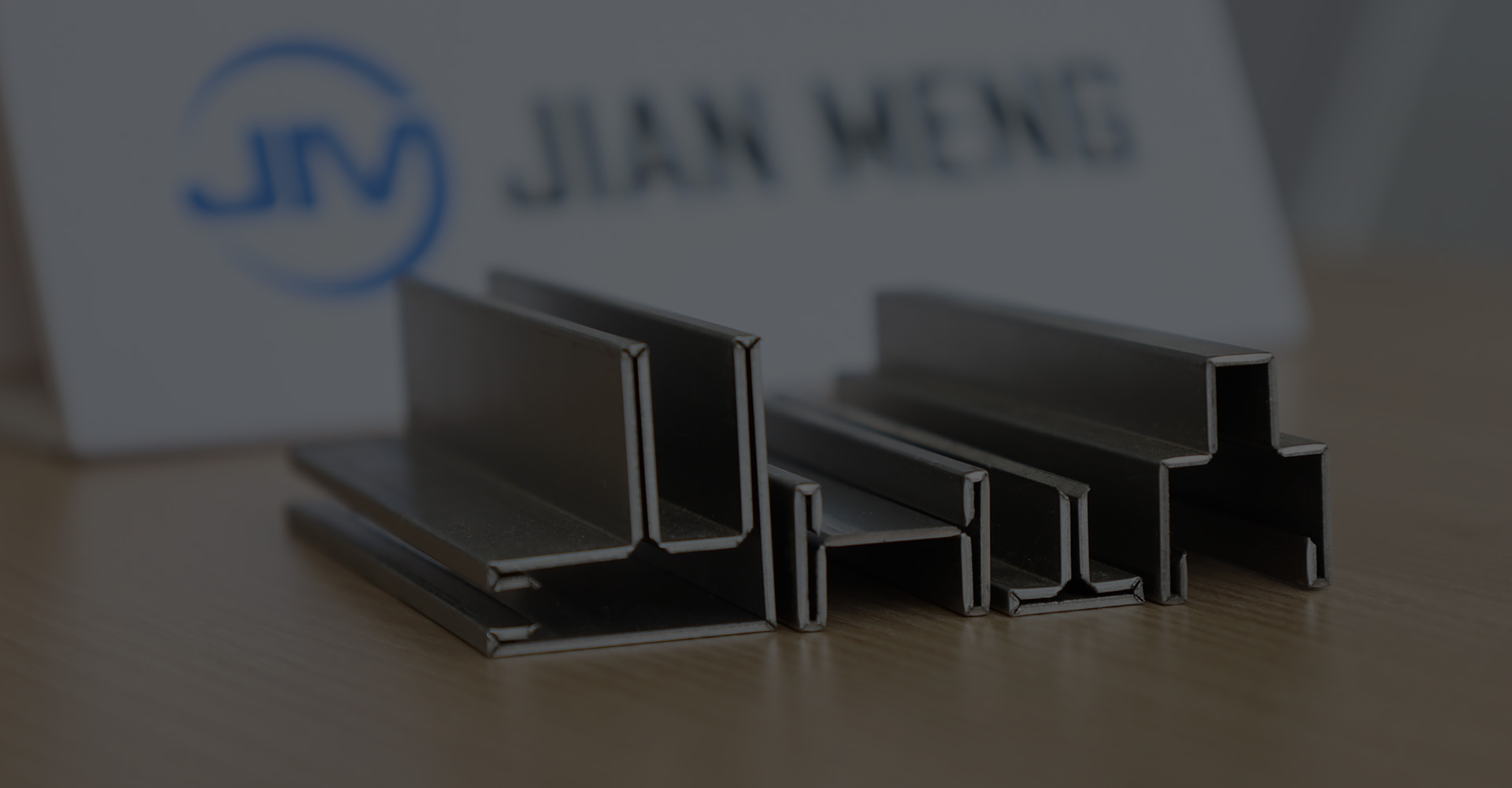
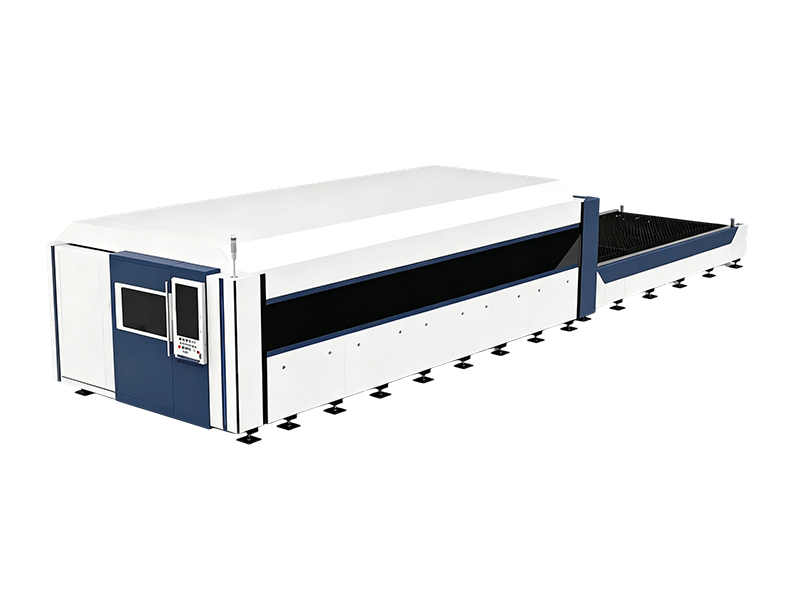
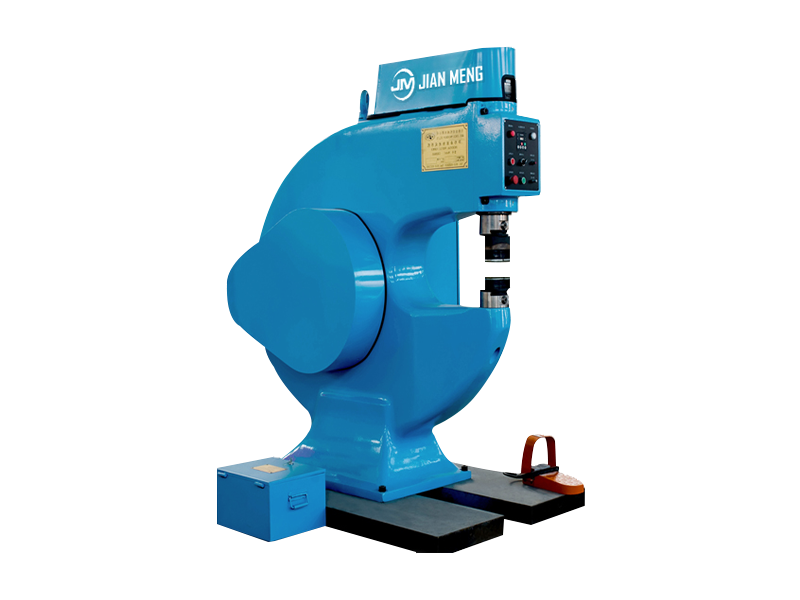
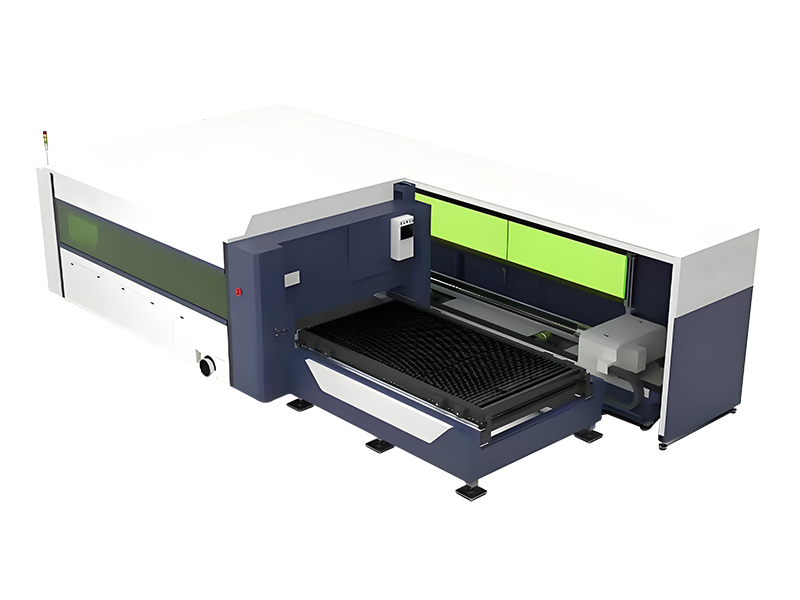
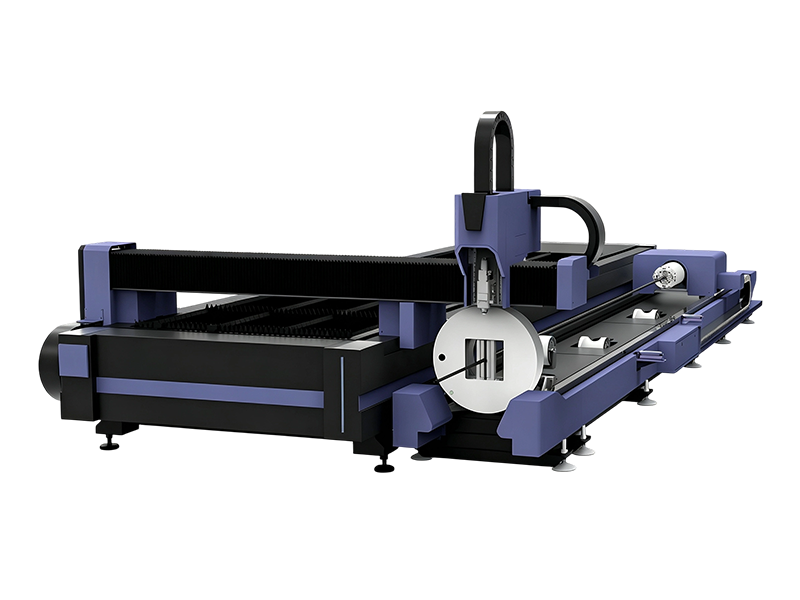
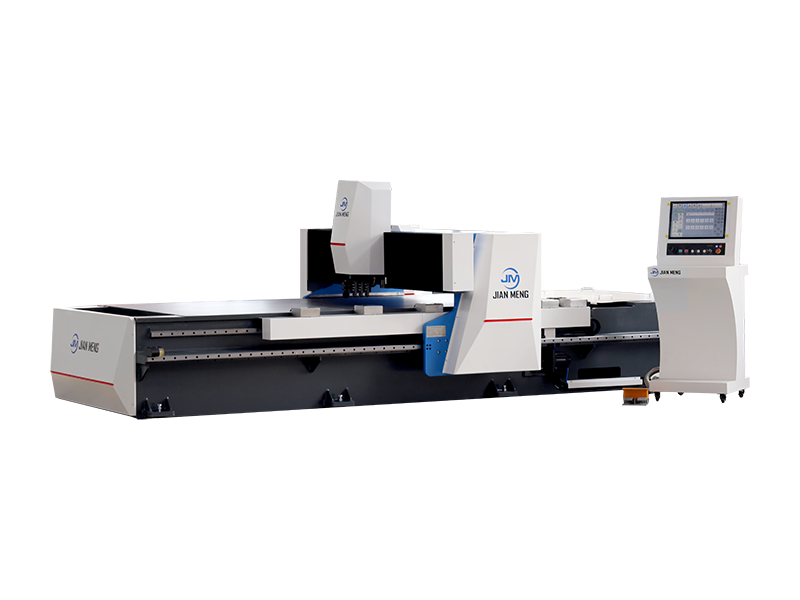
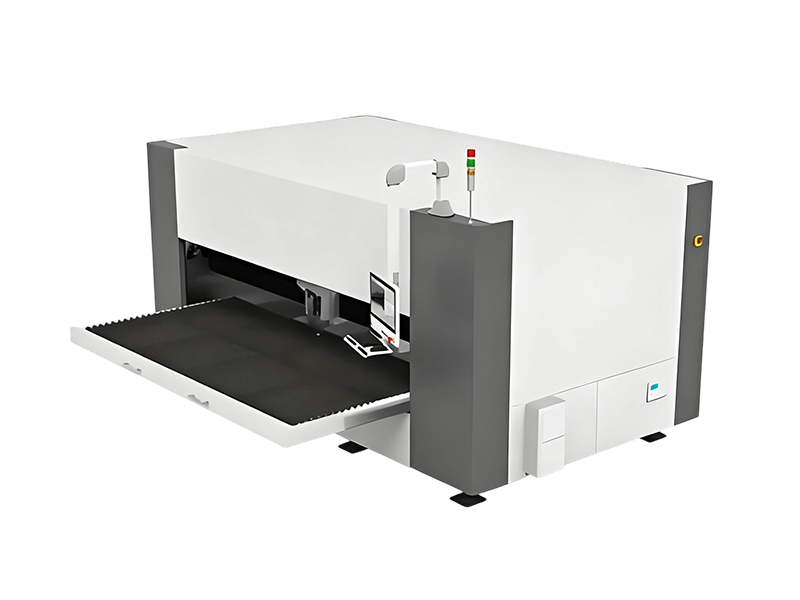
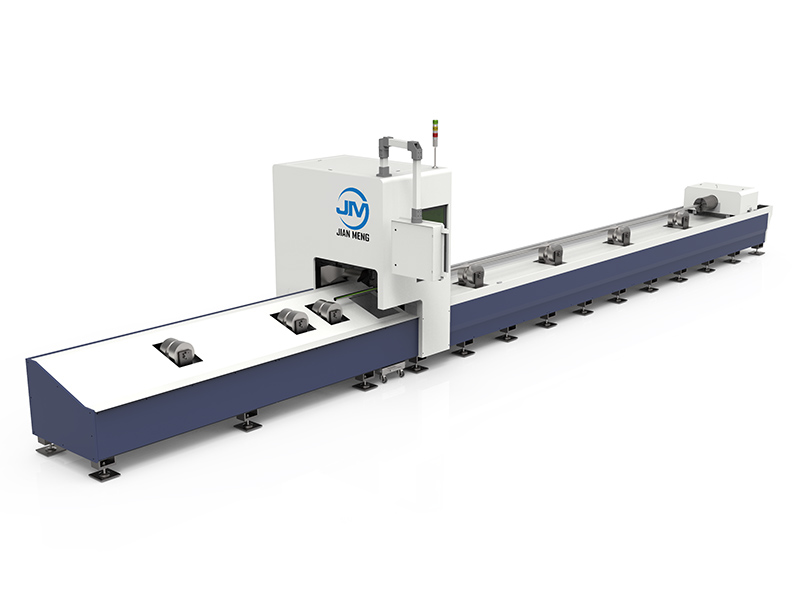
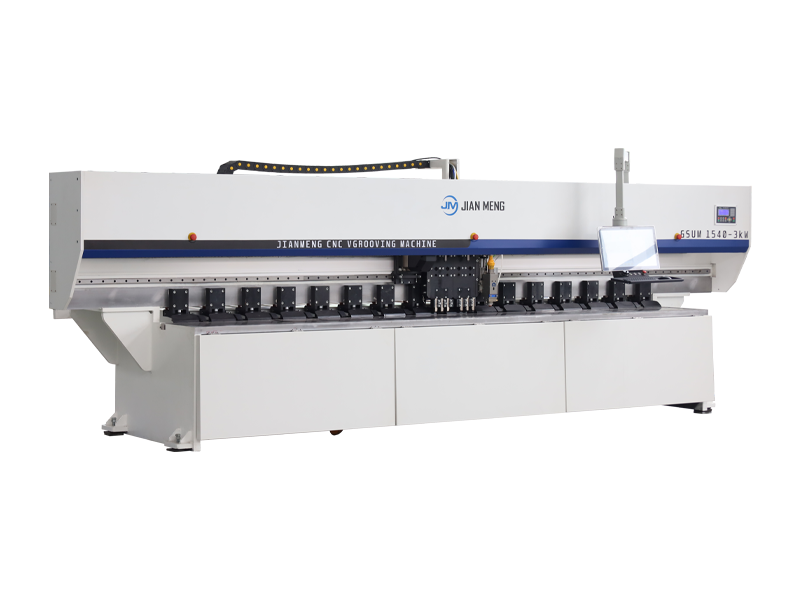
Sheet metal V cut is a precision mechanical processing technique widely used in sheet metal fabrication, which involves cutting a V-shaped groove on the surface or edge of sheet metal workpieces. This process is primarily designed to facilitate subsequent bending operations, ensuring that the workpiece can be folded into accurate angles (such as 90°, 135°, or custom angles) without cracking, deformation, or uneven edges. Unlike traditional flat cutting or grinding, sheet metal V cut focuses on creating a controlled groove with specific angle, depth, and surface quality, laying the foundation for high-precision assembly and aesthetic finishing of sheet metal products. This article systematically elaborates on the core principles, processing processes, equipment types, key parameters, application scenarios, and process optimization strategies of sheet metal V cut, integrating practical operational experience and technical specifications to provide comprehensive guidance for engineers, production technicians, and quality control personnel in the sheet metal industry.
I. Core Definition and Working Principle of Sheet Metal V Cut
Sheet metal V cut refers to the process of using specialized cutting tools or laser technology to remove material from a sheet metal workpiece, form...
2026-07-20





 English
  中文
中文  Arabic
  Russian
  Spanish
  Portuguese
  French
  German
  Hindi
Hindi  Thai
Thai  Vietnamese
  Khmer
Khmer  Italian
  Turkish
  Korean
  Belarusian