Analysis Of Metal Shearing Equipment Types And Purchase Guide: The Key To Improving Processing Efficiency
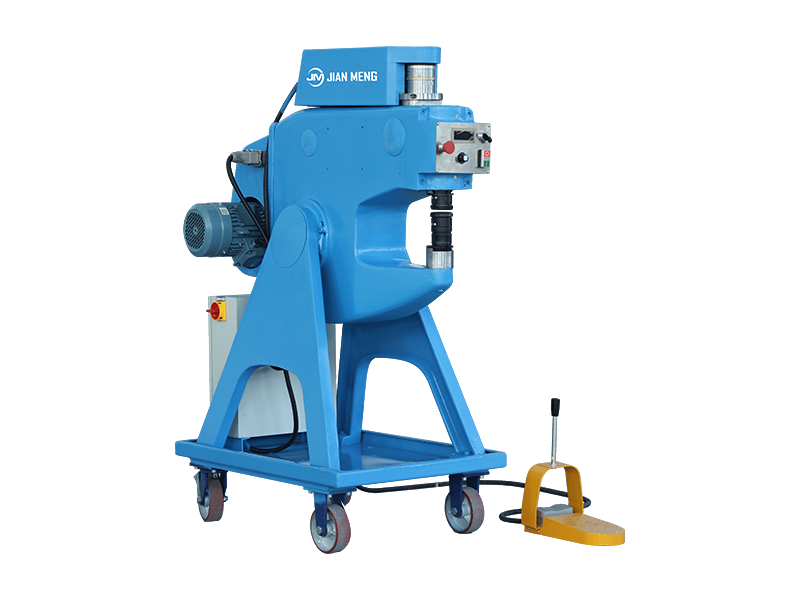
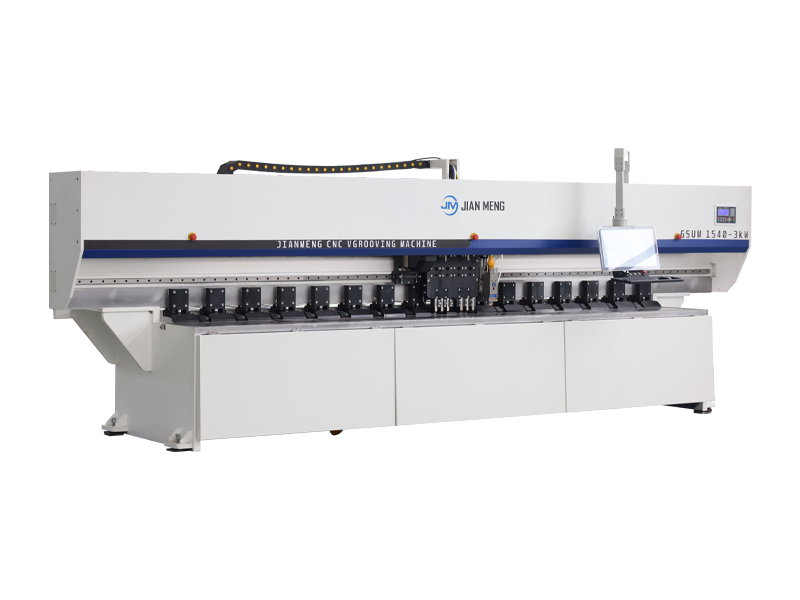
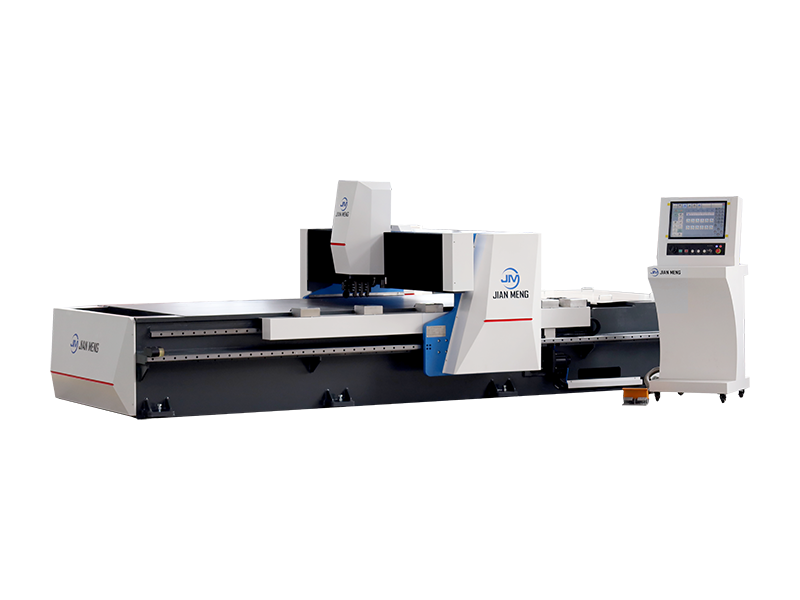
Metal shearing equipment is a core tool in the field of metal processing, widely used in the manufacturing, construction, and mechanical processing industries. It achieves efficient cutting of sheets and profiles through different shearing principles, significantly enhancing production efficiency and processing accuracy. This article will provide a detailed introduction to the mainstream equipment types, applicable scenarios, and key purchase points to assist users in making scientific decisions.
I. Common Types and Characteristics of Metal Shearing Equipment
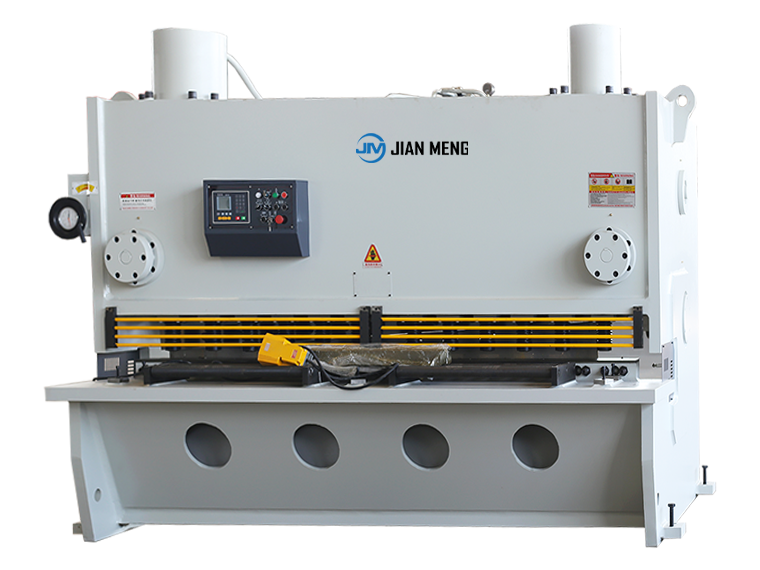
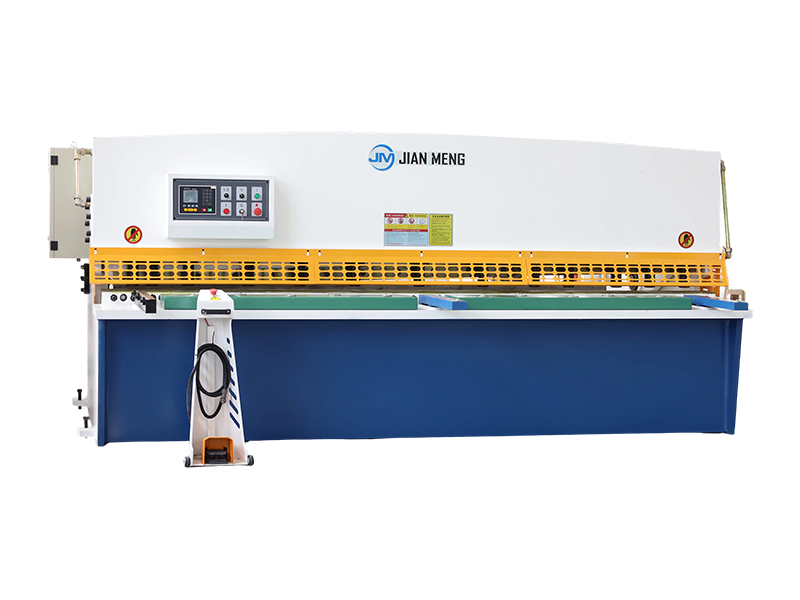
1. Plate Shears
- Function: Specifically designed for shearing metal sheets, suitable for straight or curved cutting of materials with different thicknesses.
- Classification:
- Power Principle: Mechanical (simple structure, low energy consumption), Hydraulic (stable performance, wide application range).
- Operation Mode: Ordinary (manual operation), CNC (computer - controlled, high precision).
- Blade Movement Mode: Pendulum (swinging shear), Guillotine (vertical or inclined shear).
- Application Fields: Automobile manufacturing, shipbuilding industry, power equipment, etc.
2. Bar Shears
- Function: Efficiently shear metal bars, angles, channels, and other profiles.
- Types: A...
2026-03-04





 English
  中文
中文  Arabic
  Russian
  Spanish
  Portuguese
  French
  German
  Hindi
Hindi  Thai
Thai  Vietnamese
  Khmer
Khmer  Italian
  Turkish
  Korean
  Belarusian