The Ultimate Guide To High-Speed Laser Cutters: Principles, Selection, And Industrial Application Analysis
Release time:2026-08-19
Visits:4
In modern manufacturing that pursues high efficiency and precision, high-speed laser cutting technology has become a transformative core force. This advanced processing method, with its unmatched speed, accuracy and flexibility, is redefining the production mode ranging from metal sheets to complex parts. This article will deeply analyze the working principles and different types of high-speed laser cutters, and provide you with key selection ideas to help you fully understand this important industrial equipment.
The core of a
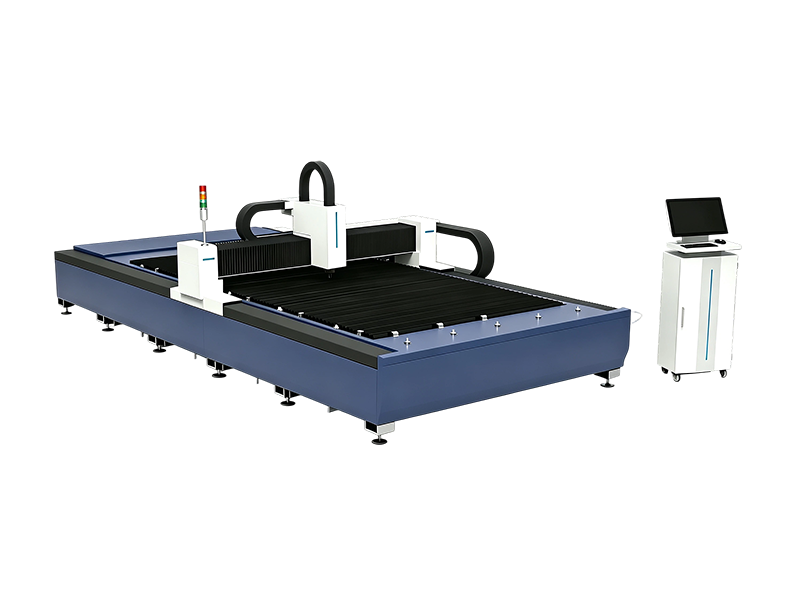
high-speed laser cutter lies in the use of a focused laser beam with extremely high energy density. When this beam irradiates the material surface precisely, the irradiated area will instantly reach a molten or even vaporized state. At the same time, the high-speed airflow (such as oxygen and nitrogen) equipped with the equipment will immediately blow away the molten material, thereby forming a smooth and precise kerf to complete the material separation. This non-contact process avoids mechanical stress and ensures the quality of the cutting edge and the integrity of the workpiece.
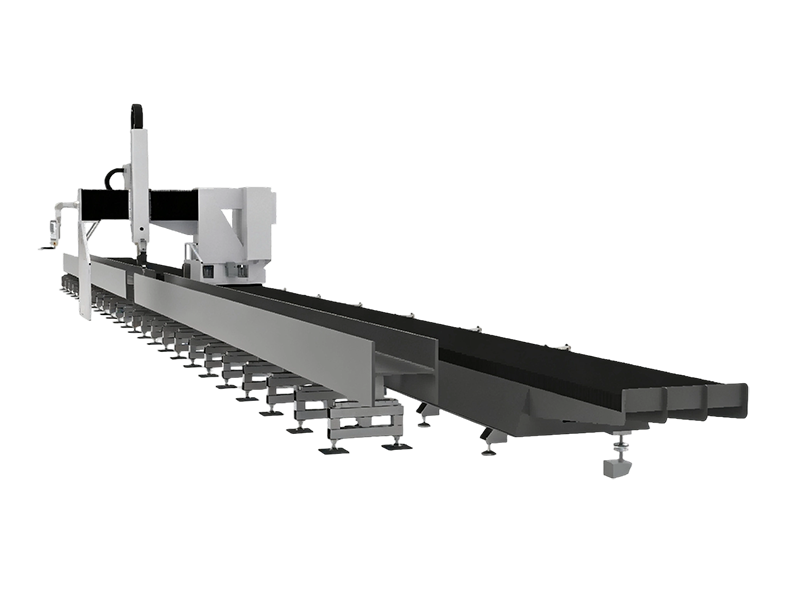
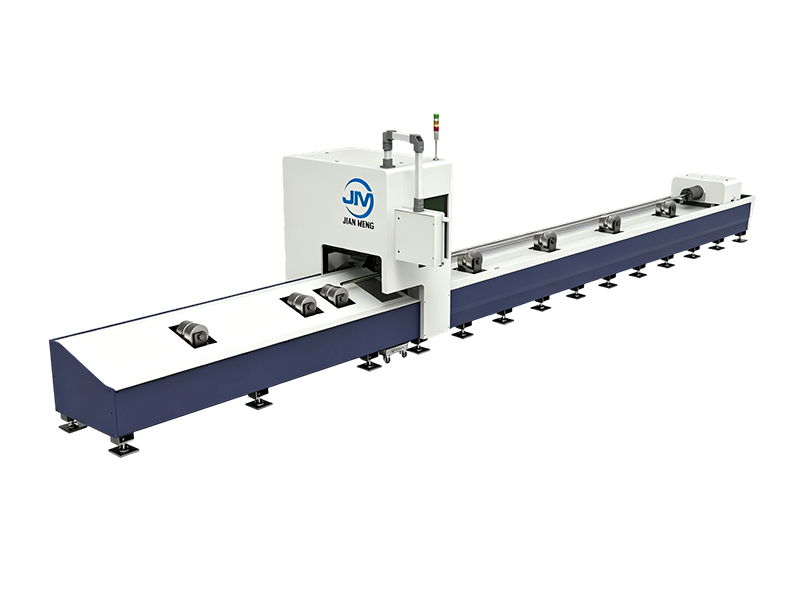
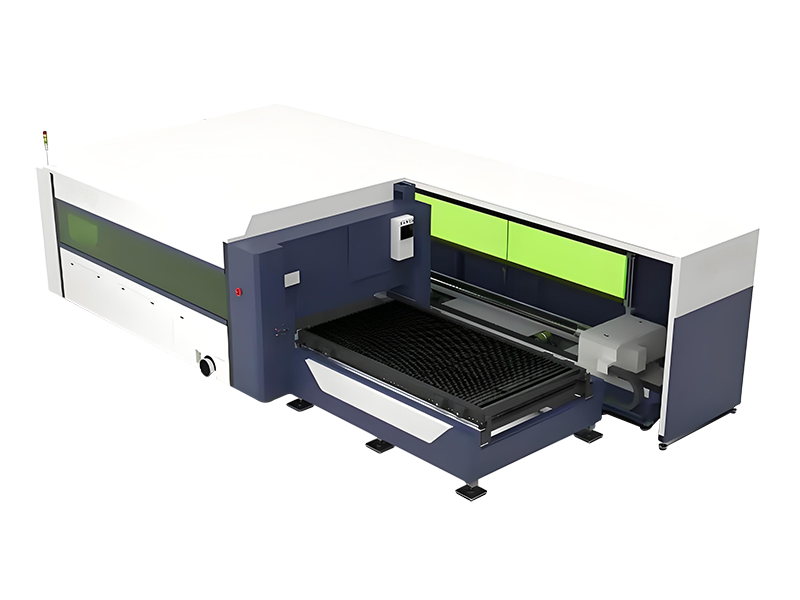
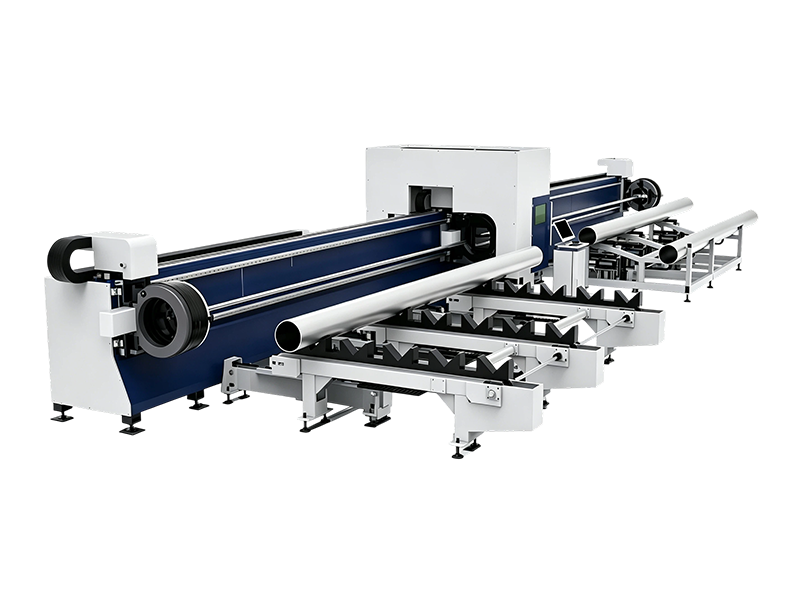
Currently, equipment on the market is mainly distinguished according to the difference of laser sources. Among them, fiber laser cutters, with their excellent energy conversion efficiency, lower maintenance requirements and outstanding cutting ability for highly reflective metal materials, have become the absolute mainstream in the industrial field, especially in metal processing. Another common type is the CO₂ laser cutter, which still has its place in cutting non-metallic materials. From the perspective of equipment structure, the stable gantry structure, due to its excellent rigidity and high-speed operation capability, is an ideal choice for large workpieces and mass production; while the portable design provides higher operational flexibility and is suitable for specific scenarios.
High-speed laser cutters have extremely wide application fields and deeply empower high-end manufacturing. In the automotive industry, it precisely cuts high-strength steel and aluminum alloys, and is a key process for achieving vehicle body lightweighting. The aerospace field relies on it to process special alloy materials such as titanium alloys and superalloys to meet the performance requirements in extreme environments. In the consumer electronics industry, it is responsible for manufacturing precision metal components such as mobile phone mid-frames and laptop casings. In addition, in the manufacturing of medical devices, it can also handle the cutting tasks of fine parts such as miniature implants.
Then, in the face of numerous choices, how to select equipment suitable for your own needs? The key lies in comprehensively evaluating the following dimensions:
1. Processing Materials and Thickness: First, clarify the main types of materials you cut (such as stainless steel, carbon steel, aluminum, copper or non-metals) and their maximum thickness. This is the primary factor determining the required laser power and type (such as fiber or CO₂) of the equipment.
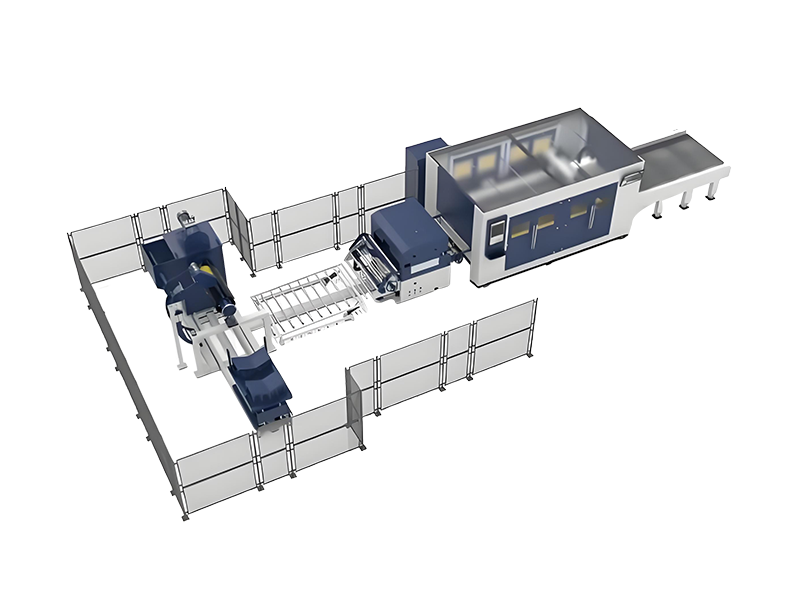
2. Production Capacity and Efficiency Requirements: Evaluate your production cycle and demand for cutting speed. This is related to the selection of equipment positioning speed, rapid traverse speed and automation supporting facilities (such as automatic loading and unloading systems).
3. Precision and Quality Requirements: Different industries have different requirements for the smoothness, perpendicularity and dimensional accuracy of the cutting section. The dynamic performance, stability and cutting accuracy of the equipment are the basis for ensuring the final product quality.
4. Long-Term Operating Costs: In addition to the equipment purchase cost, it is necessary to comprehensively consider power consumption, consumables (such as protective lenses, nozzles), maintenance convenience and after-sales service support capability, and calculate the full-life-cycle operating cost.
Looking forward to the future, high-speed laser cutting technology is developing in a more intelligent and integrated direction. The integration of intelligence and automation is deepening increasingly, and the realization of unmanned continuous production through intelligent numerical control systems, automatic material warehouses and remote monitoring has become a reality. At the same time, the popularization of higher-power equipment in the kilowatt class of ten thousand watts is constantly raising the thickness limit and efficiency ceiling of cutting. Although the industry is facing challenges such as supply chain fluctuations and accelerated technological iteration, technological innovation is undoubtedly the core driving force for the continuous advancement of the industry.
In summary, selecting a high-speed laser cutter is not about pursuing a single highest parameter, but a systematic decision-making process based on your own specific process requirements, production goals and investment budget. Understanding its principles, types and core considerations will help you make the wisest investment, so as to gain a competitive edge in the fierce market competition with advanced manufacturing capabilities.