The Ultimate Guide To Choosing An Aluminum Laser Cutter: Key Parameter Analysis And Pitfall Avoidance Tips
Release time:2026-07-24
Visits:135
In the metal processing industry, aluminum is widely used for its light weight, corrosion resistance and excellent mechanical properties. Laser cutting technology, with its characteristics of high precision and high efficiency, has become one of the preferred methods for aluminum processing. However, faced with a dazzling array of equipment on the market, how to choose an aluminum laser cutter that suits your own needs? This article will deeply analyze the core considerations for you to help you make a wise decision.
Clarifying Your Own Needs is the First Step in Purchase
Before starting to compare equipment, be sure to clarify your core production needs. This includes the thickness range of aluminum you mainly cut, the cutting accuracy and speed required for daily production, and the expected production batch. Different combinations of needs directly point to equipment with different configurations and price ranges. For example, the requirements for core components of equipment for frequent cutting of thick plates and for only processing thin plates are vastly different.
Core Parameter Analysis: Not Just Looking at Power
Understanding the following key parameters can help you see through marketing terms and recognize the essence of the equipment:
1. Laser Type and Power: At present, fiber lasers are the mainstream and better choice for cutting aluminum, because of their higher beam quality and better absorption efficiency for aluminum. Power does not mean the bigger the better, but needs to match the thickness of your material. Insufficient power will lead to incomplete cutting or slow speed, while excessive power may cause energy waste and rising equipment costs. Generally, the required power range should be deduced reversely according to the upper limit of the thickness you most often cut.
2. Cutting Speed and Accuracy: Cutting speed directly affects production efficiency. A good equipment should achieve a faster cutting speed on the premise of ensuring the quality of the cutting section (no burrs or slag hanging). Accuracy depends on the stability of the mechanical structure, the quality of the guide rails and the level of the control system, which determines whether you can complete the cutting of complex and precise graphics.
3. Auxiliary Gas System: When cutting aluminum, auxiliary gas is crucial, mainly used to remove slag and protect the cutting head. Nitrogen is a common choice, which can obtain a clean cut surface without oxidation, but the cost is higher. Compressed air solutions are more economical. The stability of the equipment's gas supply system (such as air pressure control accuracy) will directly affect the consistency of cutting effect.
4. Machine Tool Stability and Workbench: Long-term stable operation is inseparable from a sturdy bed structure and high-quality core components (such as guide rails, gears and racks). The workbench size should be able to accommodate your regular processing parts, and consider possible future business needs. Automated loading and unloading options can greatly improve the efficiency of continuous production, which can be considered according to the investment budget.
Purchase Points Beyond Parameters
In addition to hardware parameters, the following points also determine the long-term use experience:
Software and Control System: A friendly, intelligent and powerful operating system can reduce learning costs and improve programming and operation efficiency. Understand whether it supports common graphic formats, and whether typesetting and path optimization are convenient.
After-sales Service and Technical Support: Laser cutters are complex precision equipment. Investigate whether suppliers provide timely and professional installation, training, maintenance and repair support. Reliable after-sales service can minimize equipment downtime and ensure production continuity.
On-site Inspection and Trial Cutting: Arrange to visit the equipment manufacturer or existing users on site as much as possible to intuitively feel the equipment workmanship, operating status and cutting samples. Strive to conduct material trial cutting, which is the most direct way to test the actual performance and quality of the equipment.
Summary
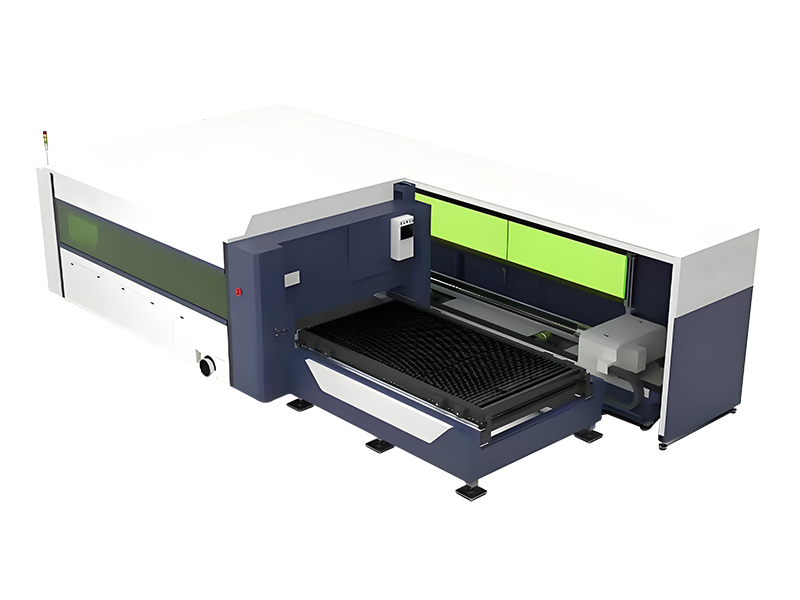
Purchasing an
aluminum laser cutter is a systematic project that requires comprehensive trade-offs between performance, budget, production needs and long-term operating costs. Avoid being attracted only by a single high power or low price. Starting from core needs, deeply understanding the meaning behind key parameters, and attaching great importance to equipment stability and the manufacturer's service capabilities, can you finally invest in a reliable equipment that truly improves your production competitiveness. I hope this guide can provide clear ideas for your purchase path.




 English
  中文
中文  Arabic
  Russian
  Spanish
  Portuguese
  French
  German
  Hindi
Hindi  Thai
Thai  Vietnamese
  Khmer
Khmer  Italian
  Turkish
  Korean
  Belarusian