The Ultimate Guide To Metal Laser Cutters: Principles, Advantages And Core Purchasing Strategies
Release time:2026-06-17
Visits:9
In the world of precision manufacturing, metal laser cutters have become an indispensable core piece of equipment. With their exceptional precision and efficiency, they have completely transformed the way metal processing is carried out. So, what exactly is a metal laser cutter? How does it work, and what changes can it bring to your production? This article will provide an in-depth analysis and offer a key purchasing guide.
What is a Metal Laser Cutter?
A
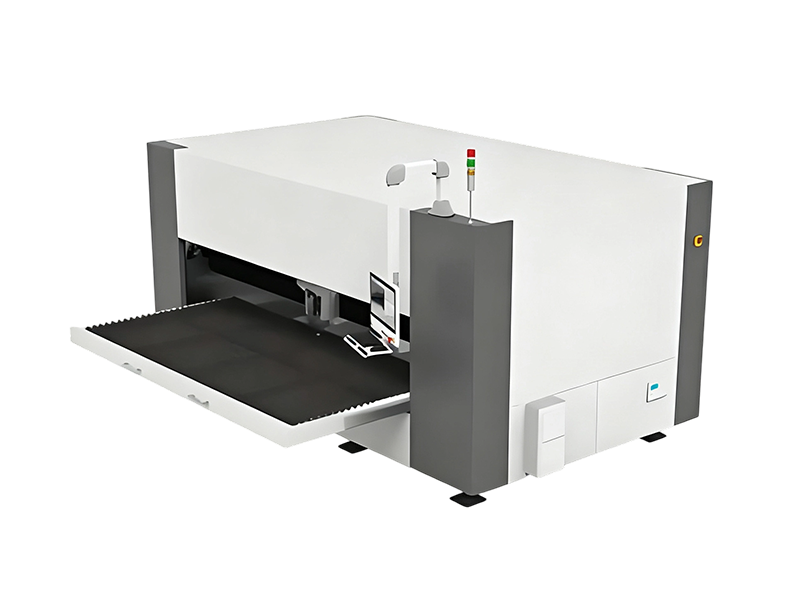
metal laser cutter is an advanced device that uses a high-energy-density laser beam to perform non-contact cutting on metal materials. Its working principle is as follows: the laser beam is highly focused through an optical system to form a tiny spot that irradiates the metal surface. The material at the irradiated point instantly absorbs huge energy, quickly reaching its melting point, boiling point, or even directly vaporizing. At the same time, a high-speed gas flow (such as oxygen, nitrogen, or compressed air) coaxial with the laser beam blows away the molten or vaporized material from the kerf, thereby achieving precise and smooth cutting.
Core Advantages of Metal Laser Cutters
Compared with traditional cutting methods, metal laser cutters have remarkable advantages:
Extremely high cutting precision: Capable of cutting complex patterns and fine contours, with smooth cuts that require no or only minimal secondary processing.
Fast cutting speed: Especially for thin and medium-thick plates, its cutting speed far exceeds that of traditional machinery.
Excellent processing quality: Small heat-affected zone, minimal workpiece deformation, which can effectively guarantee the inherent properties of the material.
High automation and flexibility: Easy to integrate with automated systems, and can quickly switch between cutting different graphics via software, making it ideal for flexible production needs of small batches and multiple varieties.
Non-contact processing: No tool wear, and avoids damage to the material caused by mechanical stress.
Main Application Fields
With the above advantages, metal laser cutters have been widely used in:
Manufacturing industry: Sheet metal processing, chassis and cabinets, mechanical equipment components.
Automotive industry: Precision cutting of body frames, components, exhaust pipes, etc.
Aerospace industry: Processing of components made of titanium alloys, aluminum alloys and other materials with extremely high requirements for weight and strength.
Electronic and electrical appliances: Precision metal components, housings, heat dissipation modules.
Advertising signage: Artistic cutting of metal characters and decorative patterns.
How to Choose a Suitable Metal Laser Cutter: 6 Key Considerations
Selecting the right equipment is the key to a successful investment. The following are the core elements you need to comprehensively evaluate:
1. Processing materials and thickness: This is the primary basis for selecting the power and type of equipment. Clarify the main types of metal you cut (such as carbon steel, stainless steel, aluminum alloy, brass) and their maximum thickness range. Different materials and thicknesses have direct requirements for the power and type of the laser.
2. Requirements for precision and speed: Evaluate the actual cutting precision requirements of your products. High-precision industries need to pay attention to the dynamic performance, servo system and positioning accuracy of the equipment. At the same time, cutting speed directly affects production efficiency, so a balance between precision and speed needs to be found.
3. Long-term stability and reliability of the equipment: Stable and reliable equipment is the basis for ensuring continuous production and reducing maintenance costs. Pay attention to the brand and quality of core components (such as lasers, cutting heads, guide rails, spindles), as well as the structural design and manufacturing process of the whole machine.
4. Software and control system: An intelligent and easy-to-use numerical control system can greatly improve programming efficiency and operation convenience. Good software compatibility and a rich process database help to quickly optimize cutting parameters and increase the yield rate.
5. Technical support and after-sales service from suppliers: A strong after-sales service network is crucial, including timely response, professional technical support, sufficient spare parts supply, and operation training. This can minimize equipment downtime and guarantee return on investment.
6. Overall investment cost analysis: In addition to the equipment purchase price, comprehensive consideration should also be given to operating costs, such as power consumption, auxiliary gases, replacement costs of wearing parts (protective lenses, nozzles), and potential maintenance costs. Conduct a comprehensive return on investment evaluation.
Summary
Metal laser cutters are an efficient solution in the modern metal processing field. Understanding their working principles and remarkable advantages can help you recognize the value they bring. When purchasing, be sure to go beyond simple price comparison and make a comprehensive judgment from multiple dimensions such as actual processing needs, material properties, precision requirements, equipment stability, and full-life-cycle costs. In-depth research, on-site inspection of equipment operation, and detailed technical communication with suppliers are the key steps to making a wise decision and adding strong impetus to your business.