A Complete Guide To Purchasing Flatbed Laser Cutters: Full Analysis Of Key Parameters And Selection Criteria
Release time:2026-09-07
Visits:169
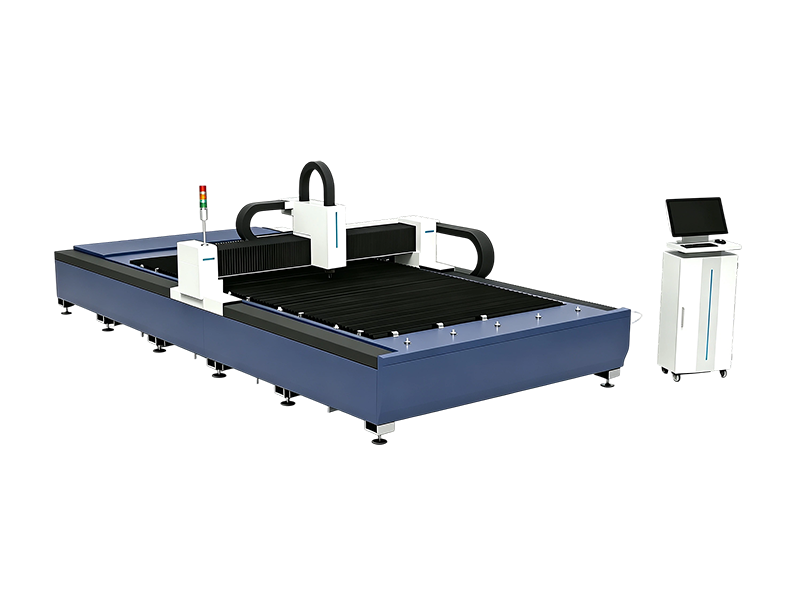
As a core equipment for modern sheet metal processing and precision manufacturing, flatbed laser cutters directly impact production efficiency and product quality. Faced with a wide variety of models on the market, many enterprises find it challenging to select a machine that meets their specific needs. This article systematically analyzes the key technical parameters and purchasing considerations for flatbed laser cutters to help you make informed decisions.
Analysis of Core Technical Parameters
Laser Type: Determines Material Compatibility Range
Laser cutters primarily use two types of laser sources: CO2 lasers and fiber lasers. CO2 lasers have a longer wavelength and are mainly used for cutting non-metallic materials such as wood, acrylic, plastic, and leather, with wide applications in the advertising signage and handicraft production sectors. Fiber lasers, with their higher photoelectric conversion efficiency and more concentrated energy density, have become the mainstream choice for metal cutting, excelling at processing various metal materials including stainless steel, carbon steel, aluminum, and copper, and dominating industries such as sheet metal processing, automotive components, and mechanical manufacturing.
Power and Cutting Capacity: The Key to Efficiency and Thickness
Laser power is the core indicator for measuring a machine's cutting capacity, usually measured in watts (W). Higher power translates to faster cutting speeds and the ability to handle greater material thicknesses. For example, medium and low-power equipment is suitable for precision processing of thin sheets, while high-power equipment can efficiently cut thick plates. When selecting, you need to balance production needs and budget: excessively high power may lead to energy waste, while insufficient power will fail to meet production requirements.
Cutting Precision and Edge Quality
Precision is the lifeline for evaluating the processing quality of laser cutters. High-precision equipment, through sophisticated motion control systems, high-quality optical lenses, and stable mechanical structures, ensures accurate cutting contours and smooth, burr-free edges. This not only reduces subsequent grinding processes and material waste but also directly enhances the grade and value of products. It is crucial to pay attention to the positioning accuracy and repeat positioning accuracy parameters of the equipment.
Processing Format and Maximum Cutting Thickness
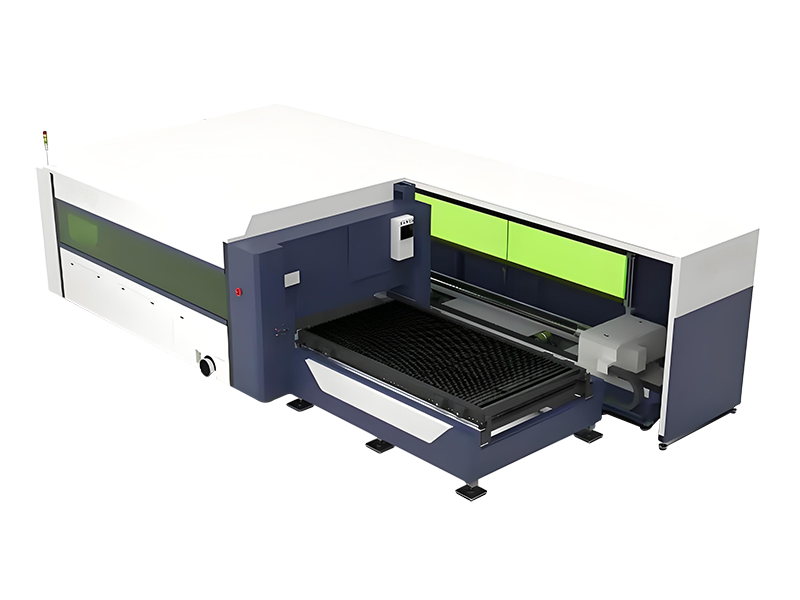
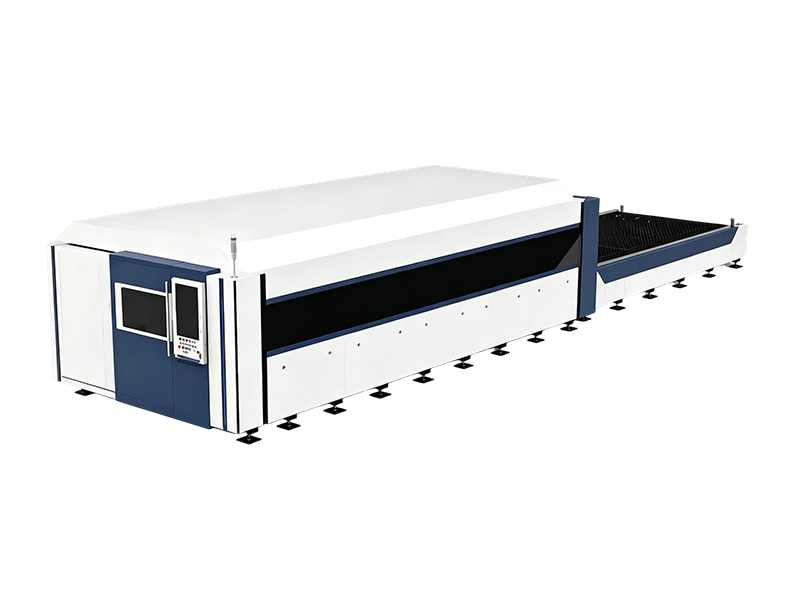
The processing format refers to the maximum sheet size that the equipment's worktable can handle, which should be selected based on the size of regularly processed products. The maximum cutting thickness specifies the limit thickness of materials the equipment can process, which needs to be evaluated in combination with the common material types and thickness ranges. Be sure to leave a certain margin for these two parameters of the selected equipment to accommodate possible changes in future production demands.
Comprehensive Factors to Consider When Purchasing
Clarify Your Own Processing Needs
The primary task is to define the main types of processing materials, thickness ranges, production batches, and precision requirements. Enterprises focusing on metal cutting should prioritize fiber laser equipment; if large-format or extra-thick plates are frequently processed, the format size and high-power models of the equipment need to be the key focus of evaluation.
Core Components and System Configuration
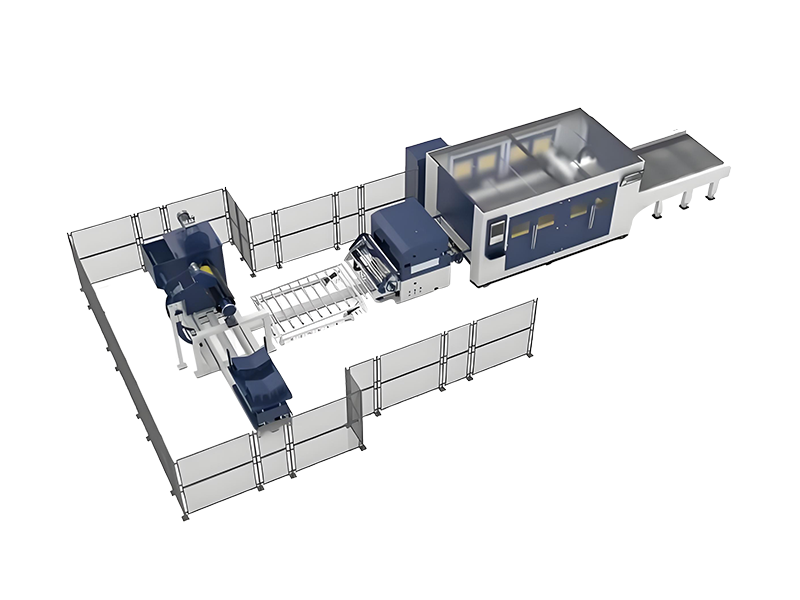
The long-term stability and performance of the equipment depend on the quality of its core components. Focus on the brand and performance of key parts such as the laser source, cutting head, servo motor, guide rail, and control system. A mature and stable numerical control system can simplify operations, optimize cutting paths, and improve efficiency, while automated functions such as automatic focusing, capacitance height adjustment, and exchange worktables can significantly reduce manual intervention and enable continuous production.
Budget and Return on Investment Analysis
Equipment procurement requires comprehensive consideration of initial investment, operating costs, and maintenance expenses. Fiber lasers are usually more energy-efficient than CO2 lasers, and can save a large amount of electricity costs in long-term use. When evaluating, do not only focus on the unit price, but calculate the comprehensive cost over the entire life cycle and potential output benefits.
After-sales Service and Technical Support
Reliable after-sales service is the guarantee for the long-term stable operation of the equipment. It is crucial to understand the manufacturer's technical support capabilities, spare parts supply speed, maintenance response time, and whether operation training is provided. A sound after-sales system can minimize equipment downtime and ensure production continuity.
Conclusion
Selecting a
flatbed laser cutter is a comprehensive decision that requires an in-depth understanding of your own production needs and careful weighing of key technical parameters such as laser type, power, precision, and format. Meanwhile, incorporating core component quality, automation level, total cost of ownership, and the supplier's after-sales service capabilities into the evaluation system will ultimately enable you to purchase an efficient device that not only meets current production tasks but also has good scalability and reliability, laying a solid technical foundation for the enterprise's production and manufacturing capabilities.




 English
  中文
中文  Arabic
  Russian
  Spanish
  Portuguese
  French
  German
  Hindi
Hindi  Thai
Thai  Vietnamese
  Khmer
Khmer  Italian
  Turkish
  Korean
  Belarusian