Horizontal V-Grooving Machine: Precision Grooving At High Speed
Release time:2026-10-09
Visits:0
Why the industry grooves sheet before bending
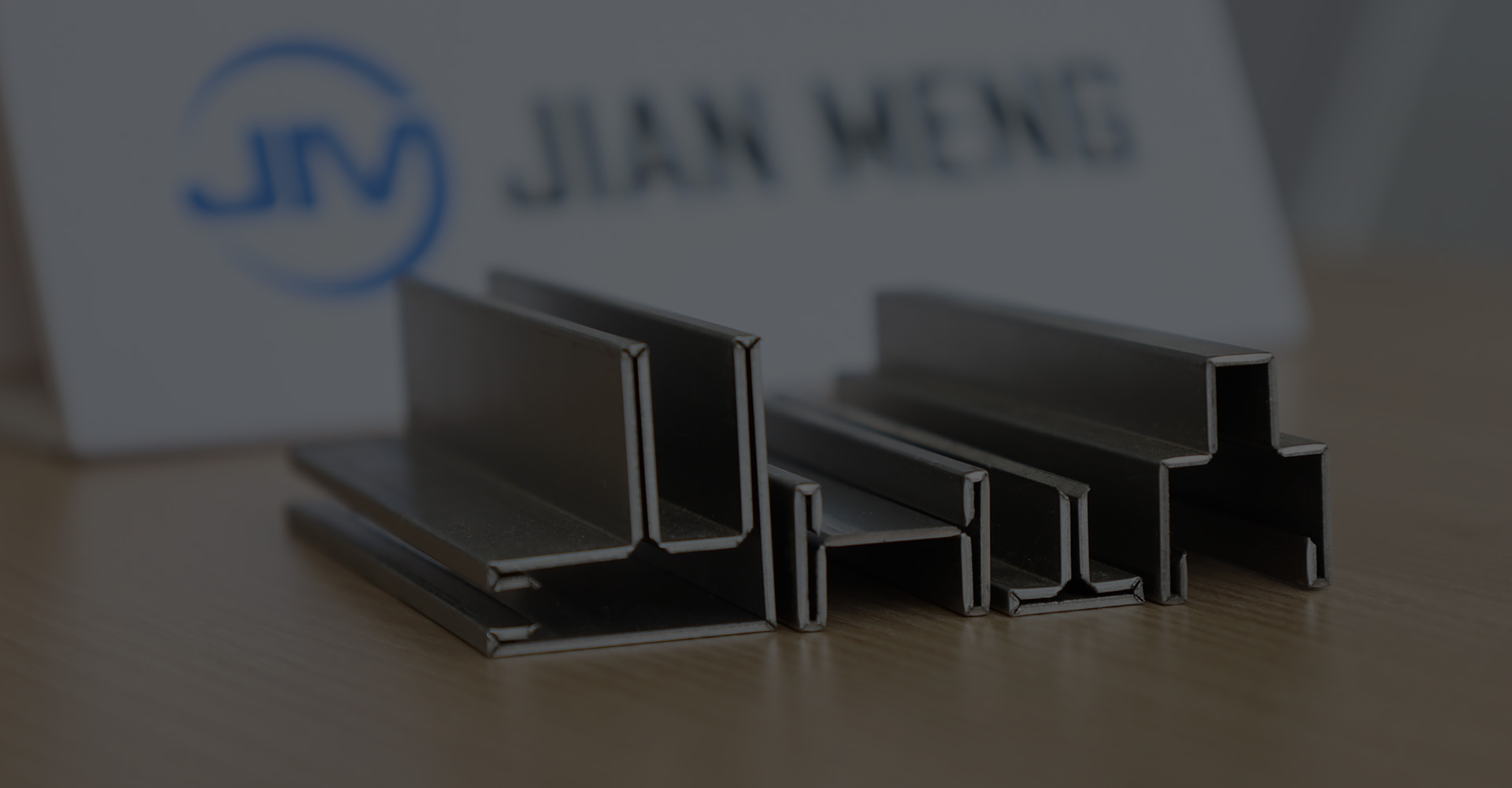
There is a simple reason shops put a V-groove in sheet metal before they bend it. Try to fold a piece of stainless steel into a sharp 90° corner and the outside radius refuses to cooperate — you get a rounded edge, or worse, cracking. Cut a V-shaped groove along the bend line first and the material folds cleanly into a crisp right angle, with less force and far less springback.
That is the whole job of a horizontal V-grooving machine. It removes a wedge of material along a straight line so the brake can bend the sheet to a precise, sharp corner. The result is the clean, seamless look demanded by stainless steel cabinets, aluminium curtain walls, elevator panels and high-end metal doors.
How a horizontal machine works
A
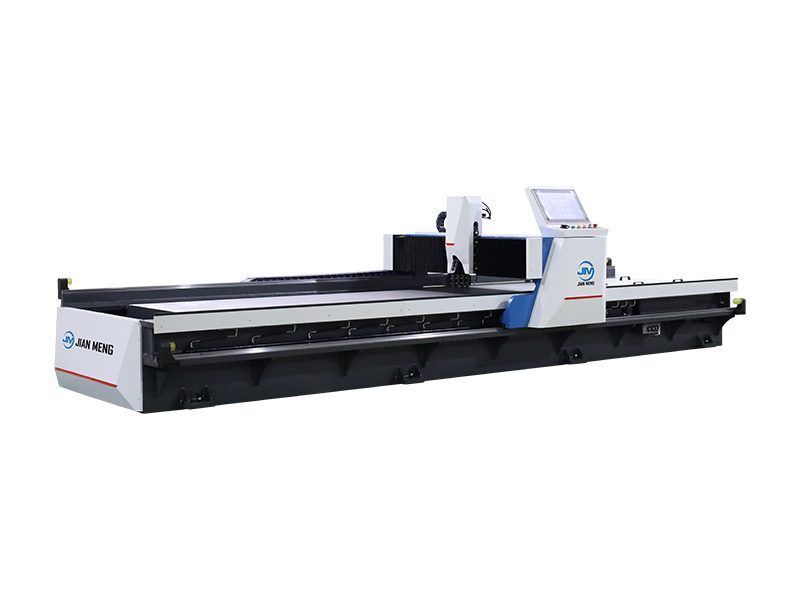
horizontal V-grooving machine holds the sheet flat on the table and runs a cutter across it in a straight line. Two features define the machine's productivity and quality.
Speed. Grooving is a fast, continuous cut. Top grooving speeds reach 120 m/min, which turns a job that used to take minutes into one that takes seconds.
Accuracy. The groove depth and position must be exact, because they set the bend. A good machine holds repeatability around ±0.02 mm and table flatness within ±0.03 mm, so every groove on a sheet lands where the program says it should.
The cutter makes multiple passes, incrementing the depth until it reaches the programmed value. Because the pass control is precise, the remaining material at the bottom of the groove stays consistent — which is what produces a uniform, controlled bend.
Applications that rely on it
- Stainless steel cabinets and enclosures — sharp, seamless outside corners.
- Aluminium curtain walls — clean angles on long extrusions and panels.
- Elevator panels and doors — the flat, precise finish buyers expect.
- High-end metal doors — decorative edges with tight right angles.
- Decorative and architectural sheet metal — where appearance is the product.
If a part is sheet metal, needs a sharp right angle, and appearance matters, a horizontal V-grooving machine is probably involved.
What to check before buying
Draw up the same checklist you would for any precision machine tool.
- Grooving speed. Look for up to 120 m/min on the table; speed is your throughput.
- Plate thickness range. Common machines handle roughly 0.4 to 5.0 mm, which covers most fabrication work.
- Processing range. Match the table size to your largest sheet, from around 1250×3200 mm up to 1500×6000 mm and beyond.
- Repeatability and table flatness. ±0.02 mm repeatability and ±0.03 mm flatness are the marks of a quality machine.
- Positioning and axis speed. X-axis speeds around 120 m/min and Y-axis around 60 m/min keep cycles short.
- Spindle power. A main servo motor around 5.5 kW gives the cutter the torque it needs through the passes.
The payoff in the shop
A horizontal V-grooving machine does not just improve the corner. It changes the whole workflow. Parts that used to be welded or assembled to hide rounded corners can be bent into one clean piece. Bending machines work less hard and hold tolerance better because the groove has already removed the resistance. The finished product looks sharper and more expensive, and often needs less grinding and polishing.
Jianmeng and the horizontal machine
Jianmeng introduced its first gantry-style CNC V-grooving machine in 2008 and went on to pioneer automatic four-side V-grooving in 2015. Today the horizontal V-grooving machine is a core part of our sheet metal range, built for stainless steel and aluminium alloy work. With 30 years of development, 50+ patents and more than 3,500 customers worldwide, we size and quote machines against your actual parts list — not against a brochure.
Frequently asked questions
What is the difference between V-grooving and V-cutting?
The terms are often used interchangeably. "Grooving" stresses the multiple-pass cut that leaves a controlled remaining thickness for bending; "cutting" is sometimes used loosely for the same operation.
How thick a sheet can a horizontal V-grooving machine process?
Most machines in this class handle roughly 0.4 to 5.0 mm, which covers the majority of cabinet, curtain wall and architectural work. Specialised requirements can extend the range.
Does grooving weaken the sheet?
It removes material at the bend line by design, which is exactly what allows a sharp bend. The remaining thickness is controlled by the groove depth setting, so strength is managed deliberately, not accidentally.
Can it run aluminium as well as stainless?
Yes. The machine handles stainless steel and aluminium alloy, along with other sheet metals used in fabrication.




 English
  中文
中文  Arabic
  Russian
  Spanish
  Portuguese
  French
  German
  Hindi
Hindi  Thai
Thai  Vietnamese
  Khmer
Khmer  Italian
  Turkish
  Korean
  Belarusian