Laser Cutting Machine: Analysis And Application Guide Of An Efficient And Precise Modern Cutting Technology
Release time:2026-06-01
Visits:100
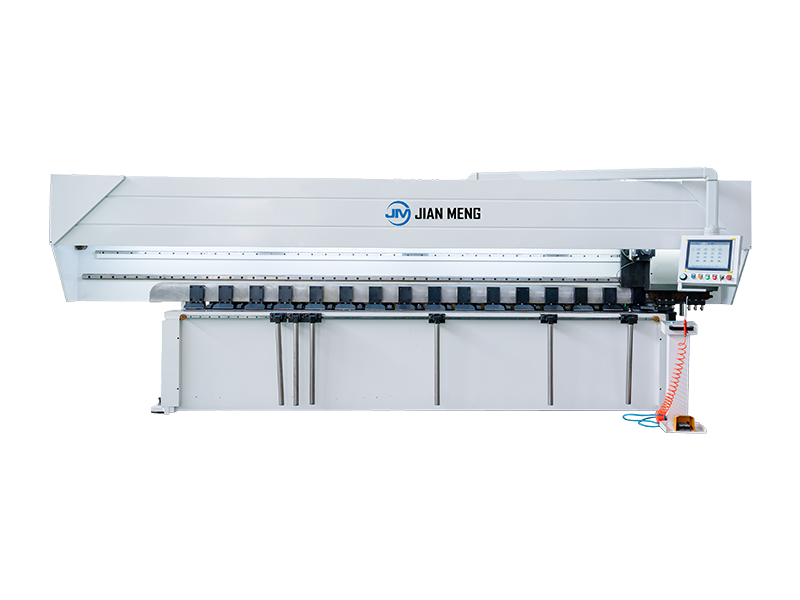
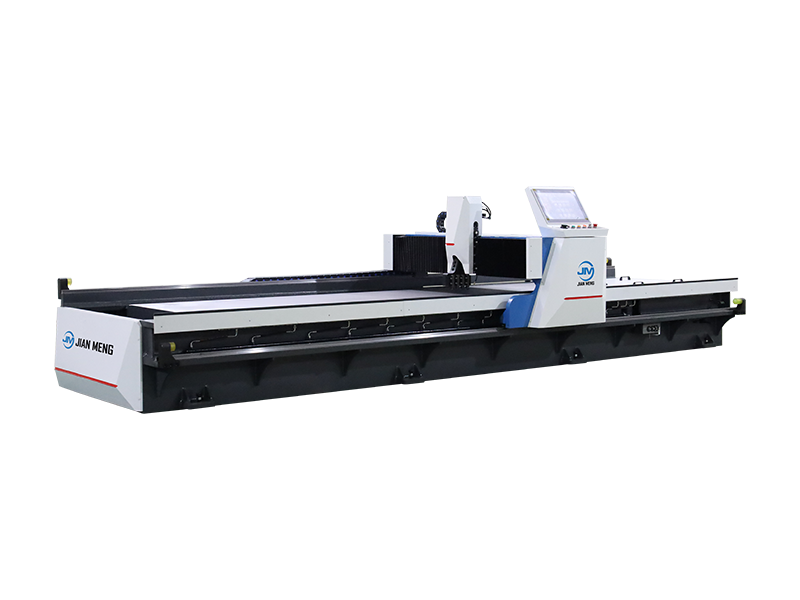
As a core equipment in modern manufacturing, laser cutting machines achieve precise cutting of materials through high-power laser beams, driving innovation in industrial production. This technology utilizes focused laser energy to melt, burn or vaporize materials, forming clean cuts or complex patterns. Featuring advantages such as high precision, high speed and versatility, it can be widely applied in the processing of various materials including metal, plastic, wood and fabric. In this article, we will delve into the key features, application fields and working principles of laser cutting machines to help readers fully understand this efficient cutting solution.
The basic working principle of a laser cutting machine involves focusing a laser beam onto the material surface through an optical lens. Its high energy density is sufficient to instantly melt or vaporize localized areas, while auxiliary gas blows away molten residues to ensure a clean and neat cutting process. The entire operation is precisely controlled by a computer numerical control system, which can complete complex designs without physical contact with the material, thereby reducing human errors and improving production efficiency. This non-contact cutting method not only extends the service life of the equipment but also reduces material waste, making it an eco-friendly and economical manufacturing option.
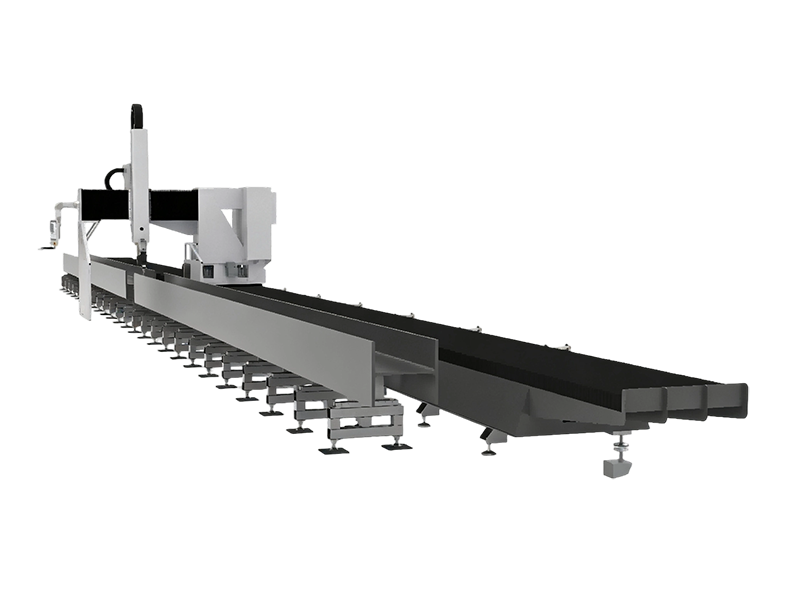
In terms of application fields, the versatility of
laser cutting machines enables them to serve multiple key industries. The automotive industry uses them to manufacture body panels, gears and exhaust components, achieving high-precision cutting and reducing material loss to optimize production processes. The aerospace industry relies on this technology to cut precision parts such as turbine blades and structural components, ensuring that parts meet strict safety and performance standards and improving the overall reliability of aircraft. The electronics industry uses laser cutting machines to produce circuit boards, connectors and screen components, achieving precise dimensions and etching of tiny components, and promoting the development of electronic products towards being thinner, lighter and more efficient. In addition, the fashion and textile industry uses this equipment to create complex patterns and designs on fabrics, producing fine effects that are difficult to achieve with traditional methods and enriching creative expression.
The working process of laser cutting machines combines advanced optics and automation technology: the focused laser beam acts directly on the material, and the computer system adjusts the path and power in real time to adapt to different materials and thicknesses. This intelligent control not only improves cutting quality but also supports rapid prototyping and mass production, meeting the demands of modern manufacturing for flexibility and speed. With technological development, laser cutting machines are becoming more intelligent and energy-efficient, further expanding their application potential in the era of Industry 4.0.
In conclusion, with its high precision, high speed and versatility, the laser cutting machine has become an indispensable tool in the manufacturing industry, providing efficient and precise cutting solutions for various sectors. Whether in improving production efficiency or promoting innovative design, this technology has demonstrated strong competitiveness and is expected to play a key role in more fields in the future. By gaining an in-depth understanding of its features and applications, enterprises can better utilize laser cutting machines to optimize production processes and achieve sustainable development goals.





 English
  中文
中文  Arabic
  Russian
  Spanish
  Portuguese
  French
  German
  Hindi
Hindi  Thai
Thai  Vietnamese
  Khmer
Khmer  Italian
  Turkish
  Korean
  Belarusian