Every sheet metal shop eventually runs into the same wall: folding a piece of stainless or aluminium into a sharp corner and getting a rounded edge instead. The metal simply refuses to bend tightly without cracking or bulging on the outside of the corner.
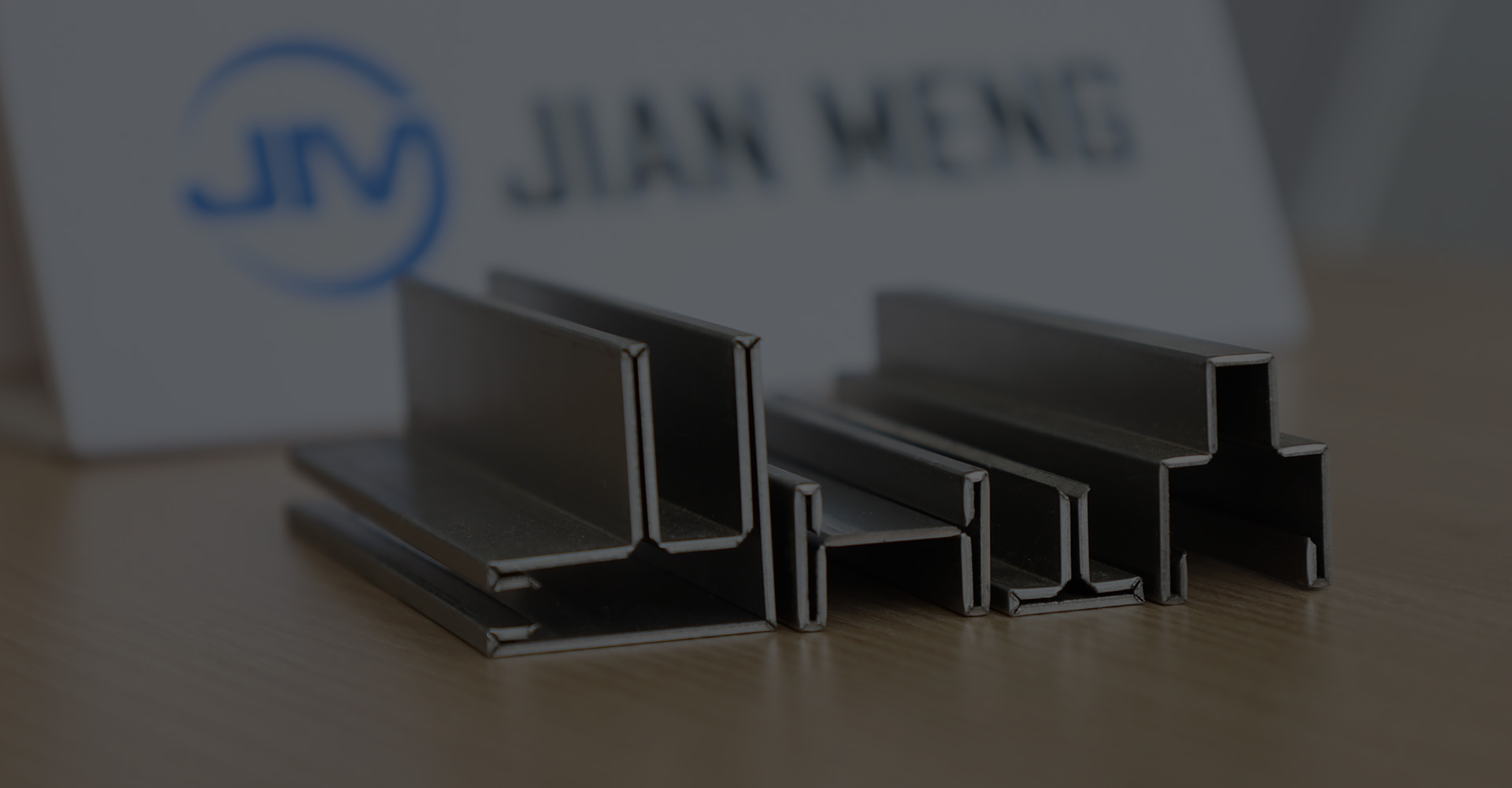
A grooving machine solves it with one clean move. It cuts a V-shaped groove along the exact line where the sheet needs to bend. With that wedge of material removed, the sheet folds into a crisp right angle using less force and with far less springback. The groove is a relief line that tells the metal where and how to bend.
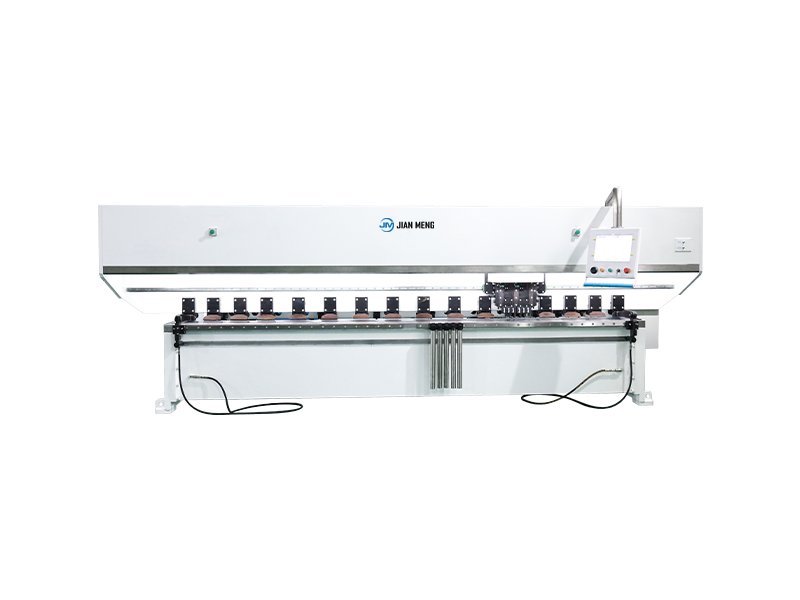
Grooving is the operation of cutting that V-groove precisely. The machine holds the sheet flat or upright and runs a cutter — or a laser — along a straight, programmed path, removing material in a series of passes until the groove reaches the required depth.
The depth is the critical control. The remaining material at the bottom of the groove decides how the sheet bends. Too deep and the sheet splits. Too shallow and the corner stays rounded. A quality grooving machine holds the groove depth and position accurately, so every part bends the same way.
The term "grooving machine" covers a family, and the right one depends on your parts and your shop.
|
Type |
Best for |
|
Horizontal V-grooving |
Flat-table work, large sheets, long grooving runs |
|
Vertical V-grooving |
Saving floor space, easier large-sheet handling |
|
Reciprocating vertical |
High-volume parts, rapid back-and-forth cutting |
|
Automatic four-side |
Grooving all four edges without re-loading |
|
Laser composite |
Cutting, shearing and grooving in one machine |
The orientation, the cutter, and whether the machine combines other processes — those choices define the machine as much as the groove itself.
Why grooving is worth the investment
Grooving does not just improve the corner. It improves the whole production chain.
Better corners. Sharp, seamless right angles that look expensive and need no grinding or polishing.
Less bending force. With the groove already cut, the press brake works less hard, so bending machines hold tolerance better and parts are easier to fold.
Less springback. The relieved material bends and stays, which makes angles more predictable.
Fewer operations. Parts that would otherwise be welded or assembled to hide rounded corners can be formed as one clean piece.
Consistent quality. CNC-controlled depth and position mean every part matches, part after part.
Choosing a grooving machine
Work from your parts, not the brochure. The numbers that matter:
- Plate thickness range — typically 0.4 to 5.0 or 6.0 mm for most machines.
- Processing range / table size — match to your largest sheet.
- Grooving speed — up to 120 m/min drives throughput.
- Accuracy — repeatability around ±0.02 mm, table flatness around ±0.03 mm.
- Minimum distance from edge — if your parts need grooves close to the sheet edge.
- Orientation and functions — horizontal, vertical, reciprocating, or laser composite.
The applications that rely on it
Grooving machines are the backbone of high-end sheet metal work. Stainless steel cabinets and enclosures, aluminium curtain walls, elevator panels and doors, high-end metal doors and architectural sheet metal all depend on the sharp, clean corners that grooving makes possible.
Jianmeng and the grooving machine
Grooving is the heart of what Jianmeng does. The company introduced its first gantry-style CNC V-grooving machine in 2008 and pioneered the automatic four-side V-grooving machine in 2015, leading the industry's development. Today Jianmeng builds horizontal, vertical, reciprocating vertical and laser composite grooving machines, with 30 years of machine-building, 50+ patents and more than 3,500 customers worldwide. We quote against your actual parts list, so you get the right machine, not the closest one on the shelf.
Frequently asked questions
What is the difference between a grooving machine and a slotting machine?
In practice, very little. Both cut a V-channel along the bend line so sheet metal bends into a sharp right angle. The difference is mostly terminology used by different suppliers or regions.
What thickness of sheet can it groove?
Typically 0.4 to 5.0 or 6.0 mm, depending on the machine and whether it uses a mechanical cutter or a laser.
Does grooving weaken the sheet?
It removes material at the bend line by design, which is what allows the sharp bend. The remaining thickness is controlled by the groove depth, so strength is managed deliberately.
Why groove instead of just bending?
Without a groove the outside corner rounds off and may crack on harder materials. Grooving produces sharp, seamless right angles with less bending force and less springback.




 English
  中文
中文  Arabic
  Russian
  Spanish
  Portuguese
  French
  German
  Hindi
Hindi  Thai
Thai  Vietnamese
  Khmer
Khmer  Italian
  Turkish
  Korean
  Belarusian